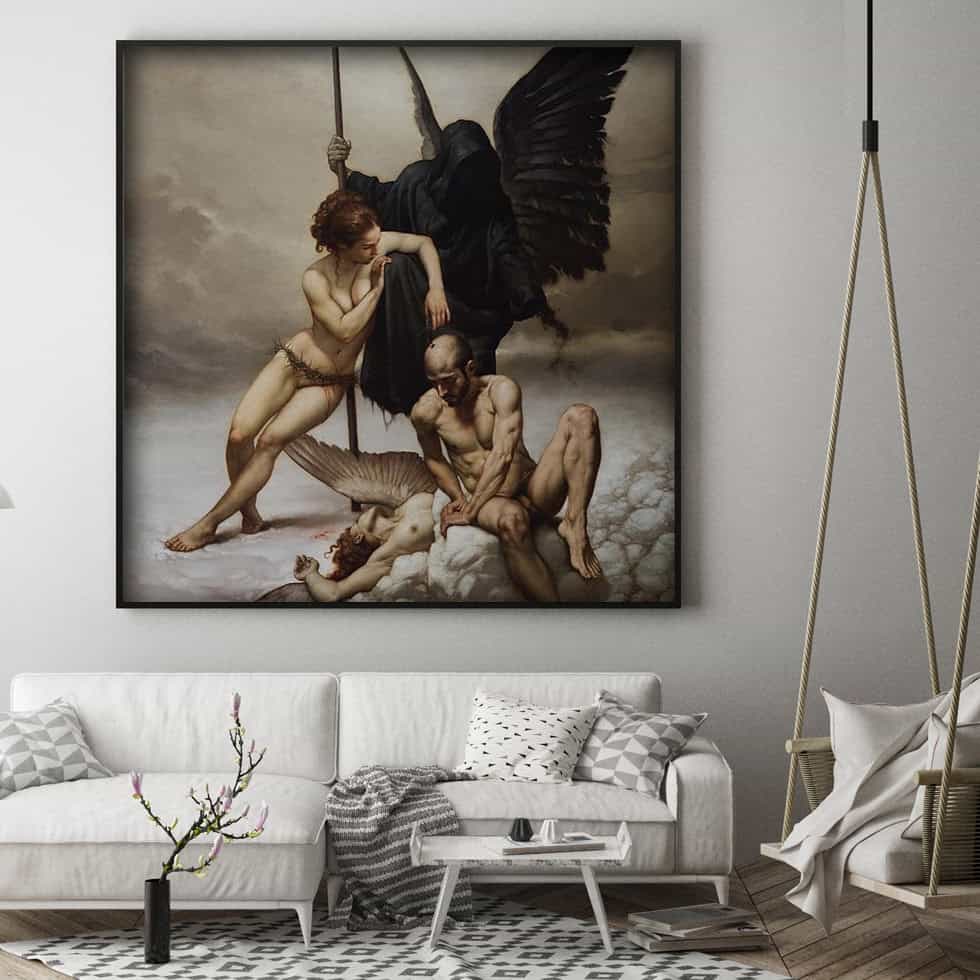
We have felt it for years—the growing coldness of bare white walls and the silence of empty spaces. There is a deep, collective hunger for art that breathes, pulses, and dares to tell a vibrant story in the dark.
For over a decade, our atelier in Saigon has observed the ebb and flow of design trends. We are finally leaving behind the sterile for a bold movement that celebrates the human soul and artistic freedom. Explore the Roberto Ferri Collection at Poppins Shop.
The haunting painting work of Roberto Ferri is leading this charge, bringing a 17th-century style back into our homes. His mastery of light and shadow creates a drama that defines our current time.
This isn’t just about decor; it is about finding ourselves in every brushstroke of a figurative painting. This art creates a bridge between historical intensity and modern living for discerning collectors.
Embracing this style means choosing passion over simple perfection. It is a return to an art form that values the visceral over the vacant, turning a house into a sanctuary of shadows; it is easy with Poppins’ shop prints.
Key Takeaways
- Roberto Ferri spearheads the 2026 trend toward moody, dramatic living spaces.
- Neo-Caravaggism rejects sterile minimalism in favor of emotional complexity and shadows.
- Figurative works provide a deeply personal connection that mass-produced items lack.
- The use of chiaroscuro techniques transforms modern rooms into museum-quality galleries.
- Homeowners are prioritizing soulful, high-contrast pieces that reflect individual identity.
The Dramatic Shift: 2026’s Interior Design Revolution
Today we are experiencing what future historians will recognize as a pivotal movement in residential design. It is the exact moment when emotional authenticity finally overthrew the coldness of aesthetic austerity.
For too long, all-white and object-less interiors dominated our lives. These spaces often left people feeling disconnected from their own homes, living in places that felt like sterile galleries rather than warm sanctuaries.
This revolution is not happening in isolation. It reflects deeper shifts in society where we now value emotional depth over curated perfection.
We have watched this transformation unfold over time. It started in private collections and then trickled into famous publications before flooding into modern residential projects everywhere.
- Homeowners are rejecting the emptiness of traditional minimalism.
- They seek art that tells a story and evokes complex feelings.
- Darkness and drama are now used as tools for creating intimacy.
The art that you choose for your walls reveals a clear rejection of empty space. You are likely seeking paintings that command attention rather than those that simply blend into a neutral background.
Designers are responding to this hunger by creating rooms with visual intensity once reserved for museums. This shift explains why the Neo-Caravaggism design style has become the defining look of our current era.
Neo-Caravaggism Interior Design: Defining the Movement
The emergence of Neo-Caravaggism interior design marks a profound return to theatrical depth and human vulnerability in our living spaces. We believe your home should be more than just a shelter; it should be a sanctuary of stories and emotional resonance.
This movement invites you to step away from the clinical coldness of modern minimalism. Instead, it encourages you to embrace the warmth of artisanal shadows and the weight of history.
What is Neo-Caravaggism?
At its heart, this style represents a bridge between the 17th-century Baroque era and the modern day. It is a revival of the revolutionary techniques pioneered by Caravaggio, a painter who transformed how we see the world through shadow.
Neo-Caravaggism applies these intense, dramatic techniques to contemporary residential environments. We see this as a way to bring the timeless power of Old Master painting into the intimate corners of your daily life.
While historical Caravaggism focused on religious grit, the modern movement focuses on psychological depth. It is art that demands your full attention rather than a casual glance.
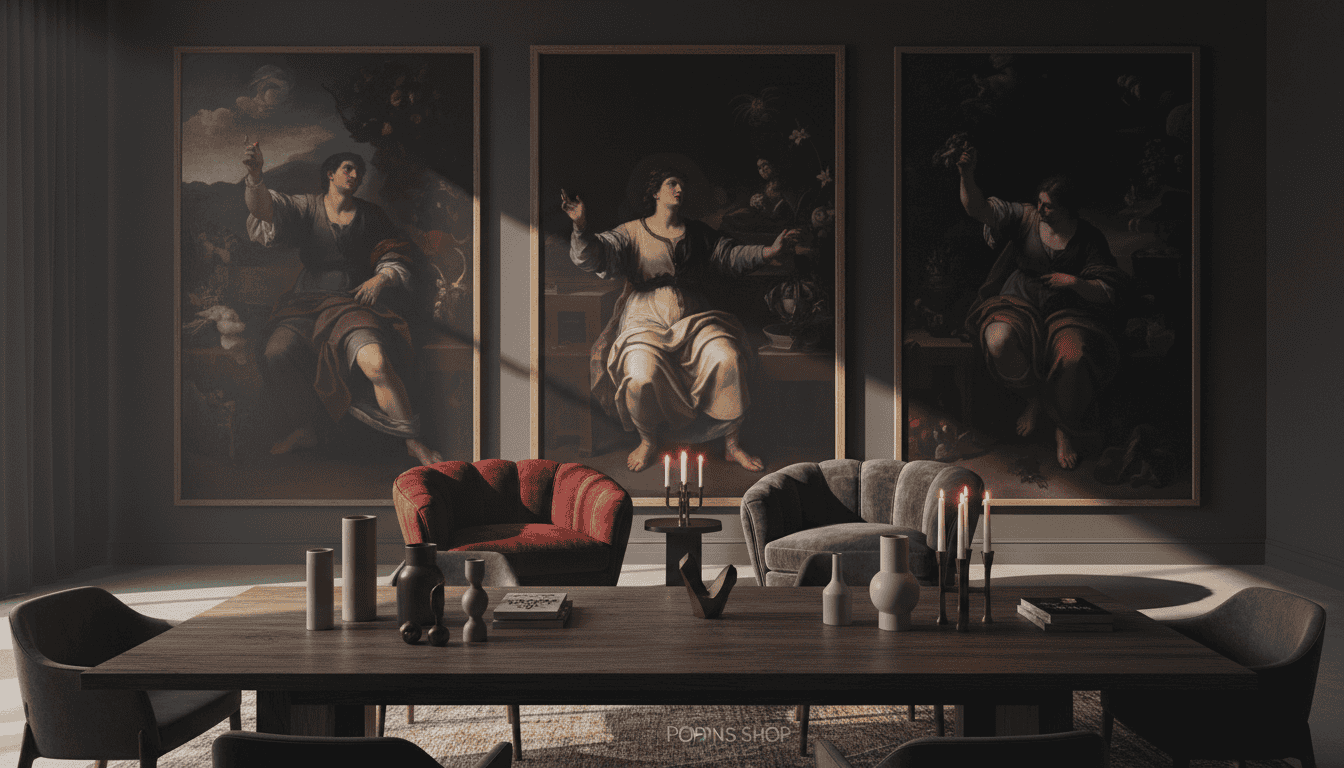
Core Visual Elements of the Style
To understand why this aesthetic is dominating 2026, we must look at the specific elements that define it. It is a visual language that speaks through contrast, scale, and raw emotion.
- Tenebrism: A technique where darkness becomes the dominant feature of a space.
- Theatrical Staging: Arranging furniture and decor to mimic a high-drama stage set.
- Anatomical Precision: A focus on the realistic beauty and vulnerability of the human form.
| Feature | Neo-Caravaggism | Rococo Style |
|---|---|---|
| Dominant Tone | Shadow and Weight | Light and Pastels |
| Emotional Goal | Psychological Depth | Playful Ornamentation |
| Contrast | Violent High Contrast | Soft and Diffused |
Chiaroscuro and Dramatic Lighting
The soul of this aesthetic is chiaroscuro, the pronounced contrast between light and shadow. In your home, this means using dramatic lighting to carve forms out of the darkness.
It creates an atmosphere where every object feels intentional and heavy with meaning. We use these shadows to hide the mundane and highlight the extraordinary beauty of your curated pieces.
Contemporary Realism in Figurative Work
Contemporary realism distinguishes these modern works from simple historical imitations. Artists like Roberto Ferri capture the human figure with a technical mastery that rivals the masters of old.
His figurative oil paintings address modern themes while maintaining a classical soul. This type of art transforms your walls into windows, offering a profound examination of mortality and human grace.
By integrating such powerful works into a room, you create a space that feels lived-in, thoughtful, and deeply personal.
The Caravaggio Legacy: From 17th Century Masters to Modern Homes
To truly appreciate Neo-Caravaggism, we need to travel back to the revolutionary studio of a 17th century icon. We believe that understanding the past is the only way to find soul in our modern living spaces.
Michelangelo Merisi da Caravaggio’s Revolutionary Technique
Michelangelo Merisi da Caravaggio was a painter who fundamentally altered the course of history. He rejected the soft, idealized beauty of his peers to embrace a raw and unflinching realism. This bold approach sparked a global movement that shifted how we perceive light and shadow on a canvas.
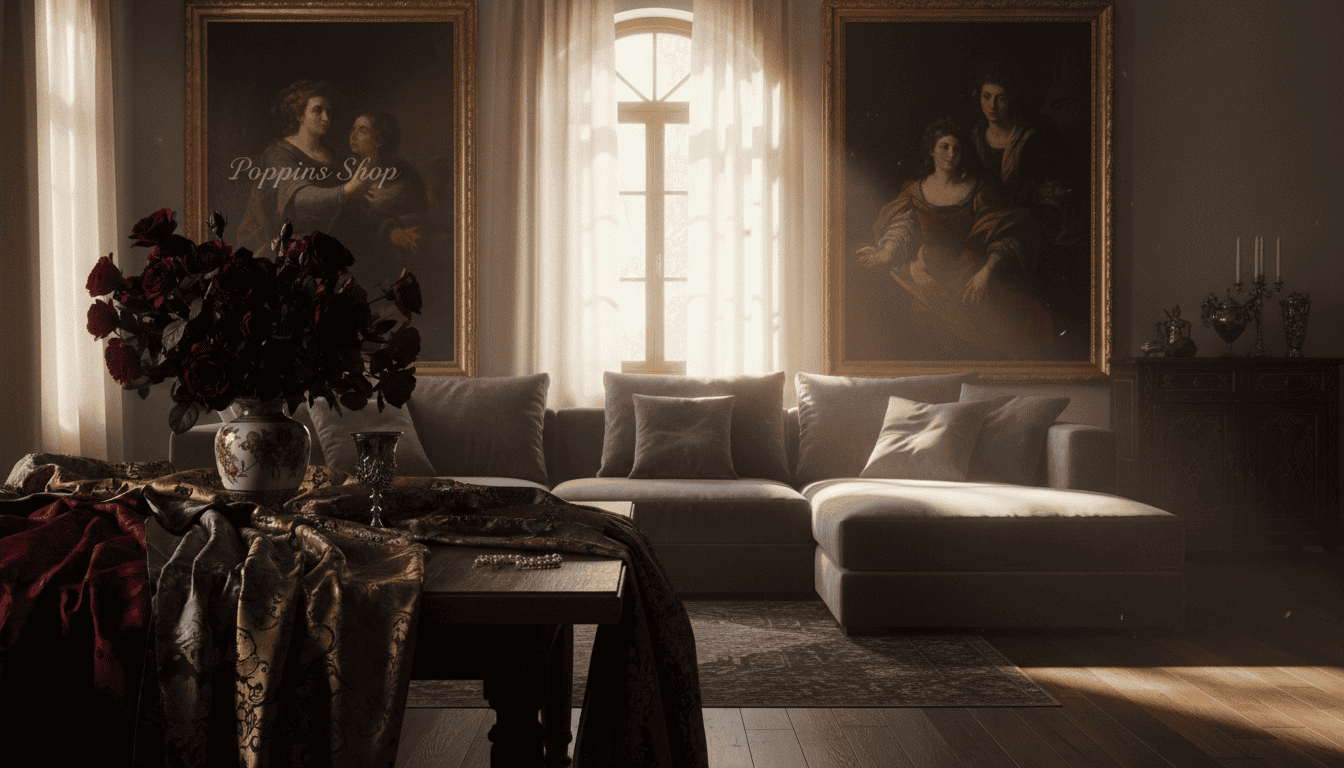
His art was not merely about visual accuracy; it was about the heavy weight of human existence. By using ordinary people as models for divine scenes, this artist bridged the gap between the heavenly and the humble. We see this same craving for authenticity in the homes of 2026 collectors today.
Tenebrism and Emotional Depth
The hallmark of his work is a technique known as tenebrism. This style uses dramatic illumination where darkness becomes the dominating feature of the composition. It creates a violent contrast that pulls the viewer into a world of intense emotional depth and mystery.
Every painting created in this style functions like a theatrical stage. A single, harsh light source carves figures out of the gloom, highlighting every wrinkle and gesture. This method ensures that the most important details resonate with a haunting beauty that is impossible to ignore.
- Dramatic Contrast: Using pitch-black backgrounds to make subjects pop.
- Psychological Impact: Shadows that represent the unseen layers of the human mind.
- Visual Storytelling: Light that guides your eyes to the heart of the narrative.
The movement spread across Europe, influencing masters like Theodoor Rombouts and the Flemish Caravaggisti. Their collective work proved that shadows could tell a story more effectively than bright colors ever could. Even after all this time, the power of a well-placed shadow remains the ultimate tool for creating an intimate atmosphere.
Today, we look to this art not just for its historical value, but for its ability to transform a house into a sanctuary. A high-quality painting inspired by these techniques brings a sense of permanence and gravity to your walls. It is a legacy that continues to breathe life into the darkest corners of our contemporary world.
Roberto Ferri: The Master Behind the 2026 Movement
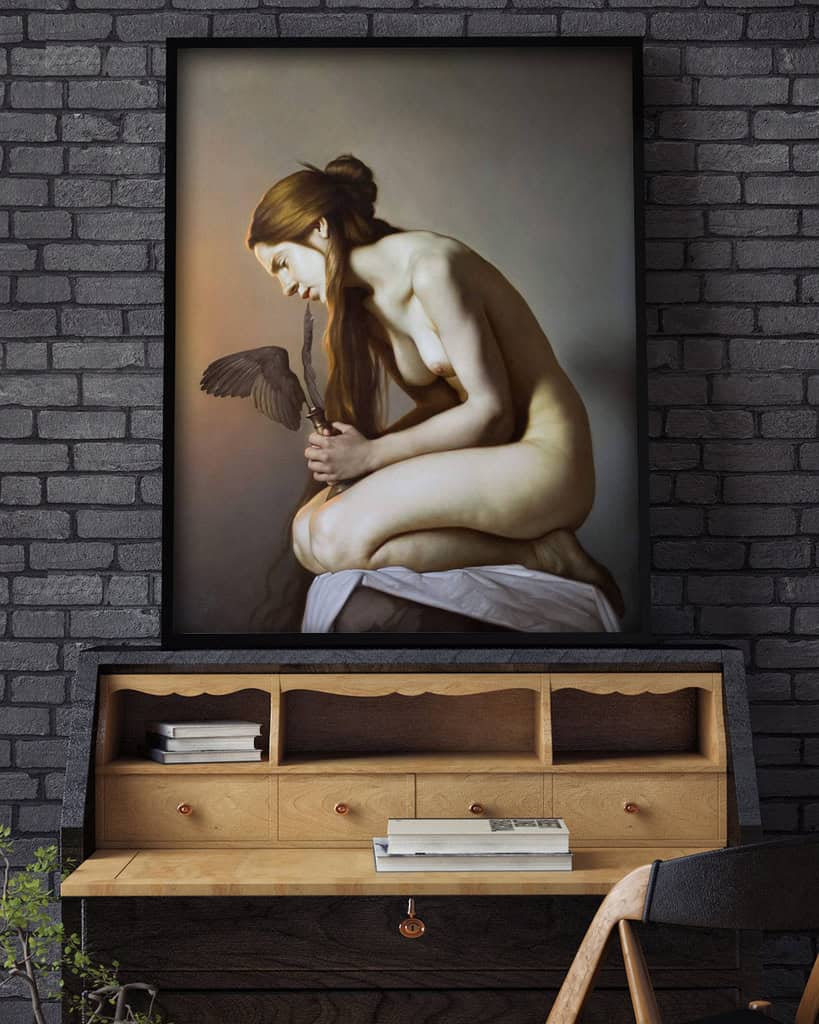
At the heart of the Neo-Caravaggism movement stands Roberto Ferri, an Italian visionary whose brushstrokes bridge centuries of tradition. He is the preeminent artist whose specific painting vision is reshaping luxury interiors in 2026. This mastery did not arrive overnight but grew through decades of disciplined study and unwavering commitment.
We see his influence everywhere today, from private galleries to the most prestigious residential projects. His ability to command shadow and light creates an emotional weight that modern minimalism simply cannot provide. For those seeking depth, Ferri offers a return to technical excellence that feels both ancient and entirely new.
Biography and Artistic Journey
This contemporary painter trained at the Academy of Fine Arts in Rome, a city pulsing with history. He immersed himself in the same streets where Caravaggio once revolutionized art four centuries ago. We see his scholarly dedication in how he studied the techniques of the Old Masters with intense focus.
His journey represents a conscious rejection of modern conceptual trends in favor of technical virtuosity. He chose the difficult path of mastering human anatomy and painting flesh with the precision of a surgeon. He understands how light interacts with the human form to create a sense of profound presence.
His work demonstrates a deep commitment to Baroque principles while adding a contemporary psychological twist. These are not mere historical recreations but living explorations of human beauty and vulnerability. Each canvas invites you to look closer at the intersection of mortality and the divine.
Ferri’s Connection to Caravaggio’s Vision
What distinguishes this artist is his ability to channel the spirit of the past without simple imitation. He paints mythological subjects with the same emotional authenticity that made the Baroque masters legendary. His life has been dedicated to reviving what many modernists once abandoned for simpler forms.
Over the years, he has built a body of work defined by monumental scale and perfect figures. These forms emerge from deep, velvety shadows to create a theatrical revelation on your wall. His unique style demands a physical space that matches its great ambition and emotional reach.
His life reflects a belief that technical mastery and narrative are essential for true visual communication. We have watched his influence grow from niche collectors to global recognition among discerning homeowners. He is a serious painter whose art represents a fundamental shift in how we value craftsmanship and soul in our homes.
Roberto Ferri Style: Anatomy of Dramatic Beauty
When we peel back the layers of Neo-Caravaggism, we discover the precise anatomical and emotional blueprint of Roberto Ferri’s vision. His style bridges the gap between historical mastery and the raw, psychological truth of the modern era. We see a commitment to authenticity that turns every canvas into a profound statement.
Figurative Oil Paintings and the Human Form
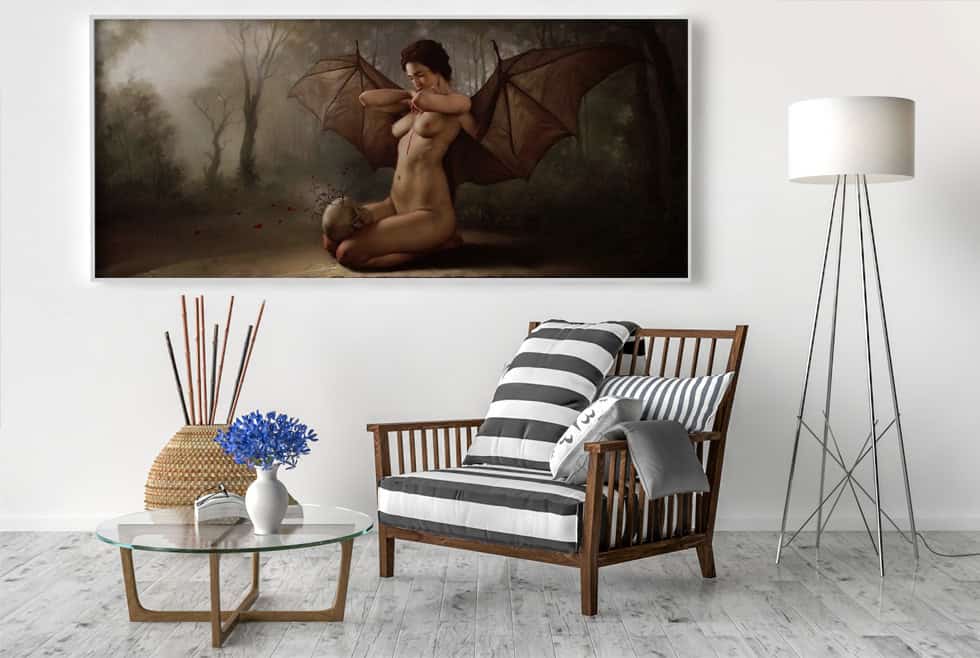
The Roberto Ferri style reveals itself most powerfully through his figurative oil paintings. These monumental canvases feature human forms that emerge from the darkness with startling precision. You can almost sense the physical weight of the flesh and the tension held in every muscle.
His mastery of the human figure goes far beyond mere academic correctness. Each body he paints tells a story through subtle gestures and visceral expressions. This approach makes classical subjects feel immediate and emotionally accessible to us today.
Shadow Play and Light Manipulation
The shadow play in his work is never just a background element. It is structural, defining the shape of a body through the absence of light as much as through its presence. Darkness actively participates in the story rather than remaining neutral.
His light manipulation technique uses single-source illumination to create a sculptural revelation. This dramatic contrast gives his two-dimensional paintings the physical presence of a three-dimensional statue. It creates a focal point that demands your full attention.
Mythological and Allegorical Themes
The mythological and allegorical themes Ferri explores provide a framework for examining our deepest human experiences. From fallen angels to classical deities, his subjects represent the timeless dance between beauty and mortality. These are not merely decorative pieces for a quiet corner.
Unlike mass-produced art, these paintings demand intellectual and emotional engagement from the viewer. They don’t just match a room; they transform it by challenging our perceptions of vulnerability. His work functions as an anchor for the soul within the modern home.
We believe this art dictates the architecture of a space rather than simply adapting to it. By synthesizing Old Master techniques with contemporary anxieties, Ferri creates a legacy of beauty that resonates across centuries. This is why his vision remains the heartbeat of the Neo-Caravaggism movement.
The Death of Minimalism: Why Homeowners Are Embracing Darkness
Minimalism—once the aspirational aesthetic of refined design—has died from a deep internal exhaustion. We see people living in emotionally sterile environments that feel more like waiting rooms than actual homes. This shift is a quiet revolution against the cold, white walls that have dominated our private worlds for far too long.
We are moving away from the “less is more” philosophy because “less” began to feel like “nothing.” Our homes should be sanctuaries of the soul, not just clean containers for our belongings. We believe it is time to invite the shadows back into our living rooms.
The Minimalist Fatigue of 2025
The minimalist fatigue of 2025 came from a collective realization among homeowners. We noticed that absent objects and ruthlessly edited spaces stripped everyday life of its unique personality. Those white, hollow spaces lacked the visual richness that makes a house feel like a home.
You deserve a space that rewards the eye and the spirit. Dwelling should feel like living rather than merely existing in a curated box. Many are now finding that a room without texture or shadow feels remarkably unfinished.
Emotional Emptiness vs. Emotional Depth
Today, we are witnessing the psychological toll of environments optimized for social media rather than human flourishing. People are rejecting the tyranny of perpetual tidiness and the emotional emptiness of aesthetic purity. They want emotional depth that reflects their inner world.
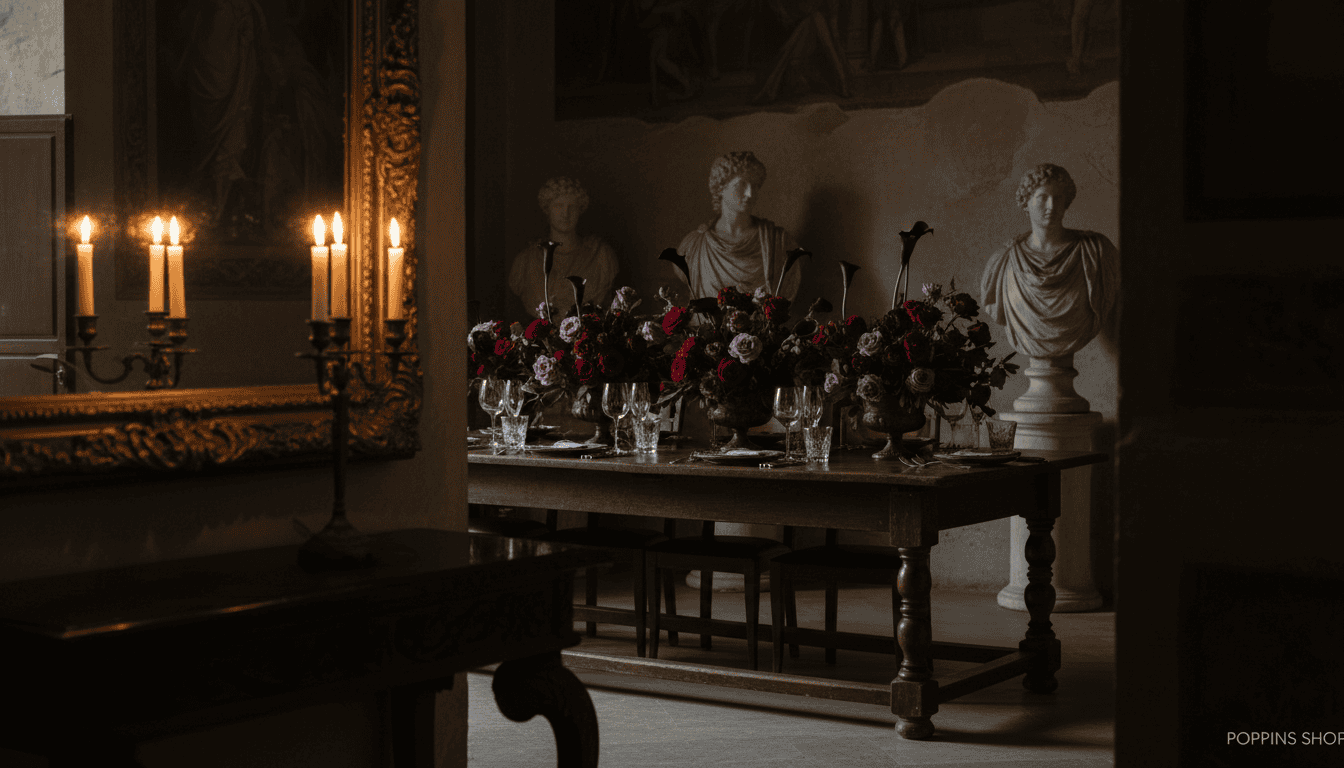
Society is rediscovering what previous generations understood intuitively. Homes should reflect the complexity of our experiences, containing beauty that provokes rather than just soothes. High-contrast art provides an invitation to contemplate and feel something beyond surface-level aesthetics.
The Desire for Narrative in Interiors
This desire for narrative in interiors explains why Neo-Caravaggism resonates so powerfully right now. These paintings tell stories and embody intense emotions that make a room feel truly inhabited. They act as anchors for the soul in an increasingly digital and fleeting world.
Over time, we have watched this transformation firsthand in our Saigon atelier. Our clients have moved from requesting subtle, neutral prints to demanding dramatic, intense works. They are hungry for art that mirrors the messy, beautiful complexity of human life.
- Design that prioritizes storytelling and engagement over simple function.
- Art that reflects the evolving spirit of society and its need for meaning.
- Spaces that celebrate a rich, textured life filled with light and shadow.
The shift represents more than a simple trend; it is a vital cultural correction. We are finally embracing the notion that our homes should be as deep and dramatic as we are. Strong, evocative art is the heartbeat of this new movement toward darkness.
The Emotional Power of High-Contrast Figurative Art
We often find that the most moving spaces are those defined by the sharp, dramatic contrasts of Neo-Caravaggist work. This style creates a visceral energy that captures the heart before the mind even processes the scene. By moving away from flat, even lighting, you invite a sense of mystery and soul back into your home.
Psychological Impact of Dramatic Shadows
High-contrast figurative art creates a psychological impact that works below our conscious awareness. The sharp transition between shadow and light triggers a deep response in the viewer. It makes you feel the weight of the moment in a painting rather than just seeing it.
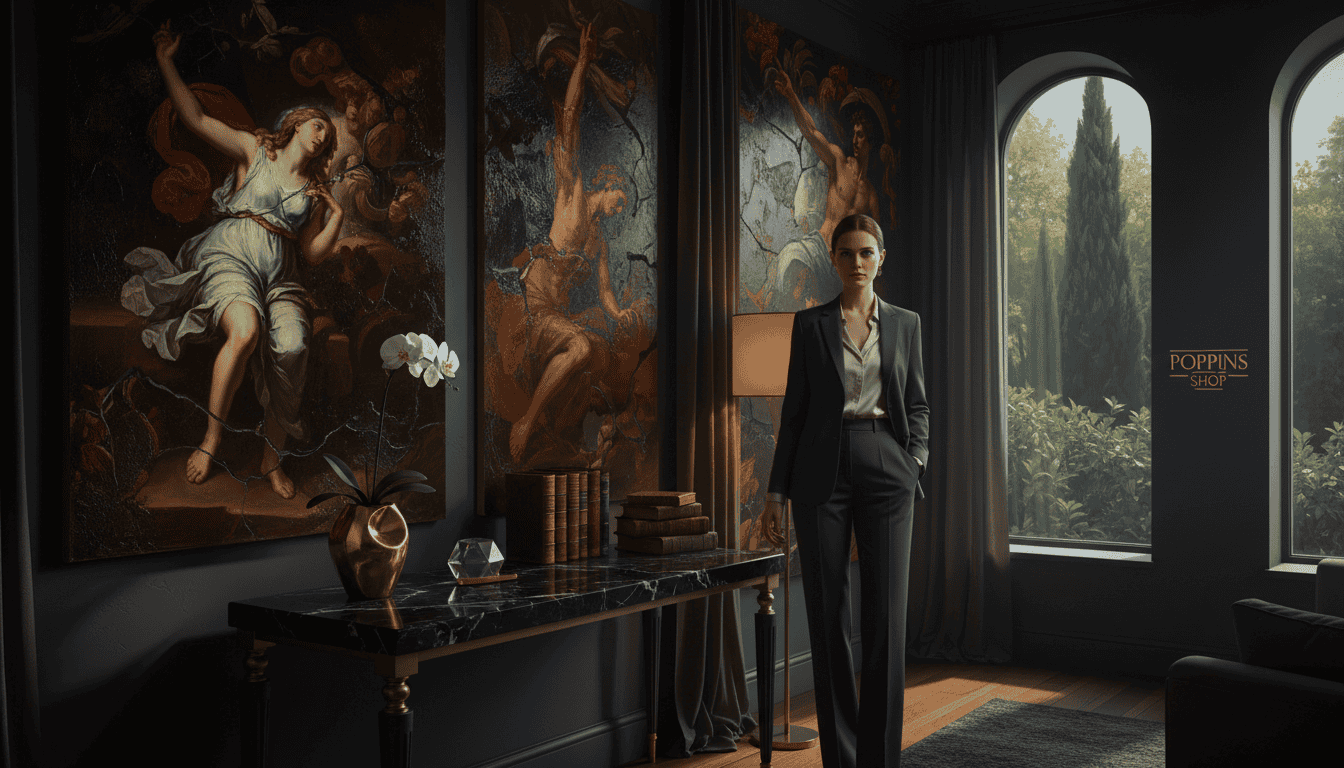
This technique, known as chiaroscuro, allows a piece of art to breathe with emotional depth. The dramatic shadows in these pieces aren’t just for show; they act as psychological tools. This work rewards those who take the time to look closer, revealing new layers of meaning as the day passes.
Creating Intimate Spaces Through Darkness
Using darkness to build intimacy might seem strange at first. We often think of dark rooms as cold or empty. However, shadows actually help contain a space and provide a clear focus for the eye.
The effect on people living in these spaces is truly transformative. Instead of walking past a blank wall, you find yourself stopping to contemplate the intensity of the environment. Here is how this effect changes your environment:
- It creates “motivated darkness” that directs your attention to what matters most.
- It shapes the room’s energy by providing a strong visual anchor.
- It makes large, open rooms feel more embracing and personal for you.
We have seen how a high-quality painting changes the way a viewer interacts with their home. It is not just about the decoration on the wall. It is about how you feel every time you enter the room.
Dark Academia Wall Art: The Perfect Companion Trend
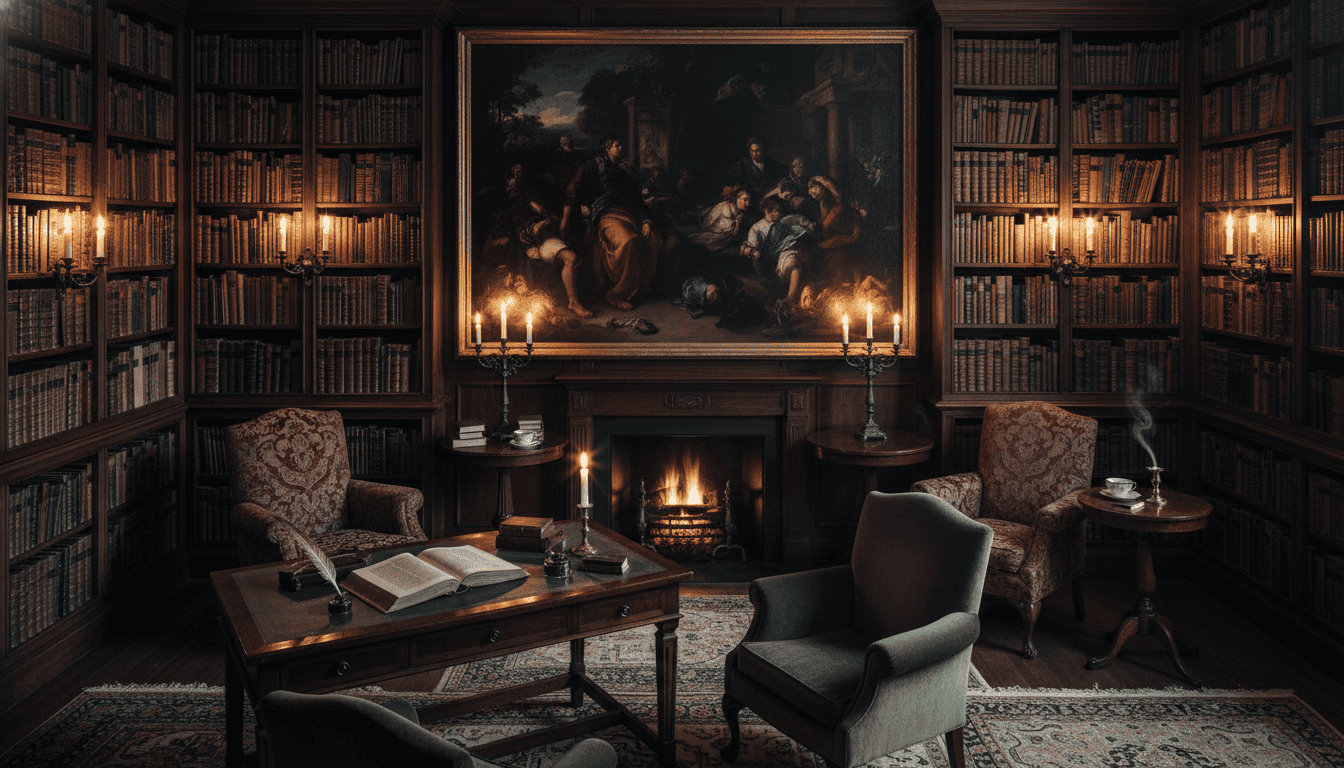
We often find that the most profound interiors emerge when two kindred spirits of design finally meet. As we look toward the trends of 2026, it is clear that the shadow-drenched art of Roberto Ferri has found its perfect home.
This connection creates a space that feels both ancient and alive. You are not just decorating a room; you are curating an intellectual legacy. By blending these two worlds, we help you build a sanctuary for the mind.
What Defines Dark Academia Aesthetics
Dark academia wall art emerged as a powerful movement that celebrates the romantic melancholy of European universities. It is a style that values classical learning, leather-bound books, and the quiet mystery of a candlelit study.
This look goes far beyond simple vintage decor or Gothic architecture. It captures a specific relationship with beauty, knowledge, and the inevitable passage of time. The aesthetic relies on rich wood tones and textures that suggest a lifetime of scholarly pursuit.
In these spaces, every object tells a story of curiosity. The atmosphere is heavy with history and emotional weight. It offers a sophisticated retreat from the bright, sterile surfaces of the modern world.
How Neo-Caravaggism Elevates Dark Academia
While the decor provides the framework, Neo-Caravaggism supplies the soul through every painting. This style of art elevates the scholarly room by adding a necessary visual crescendo.
The dramatic chiaroscuro of Ferri’s works complements the moody lighting of a dark academia design perfectly. His mythological subjects add an intellectual gravitas that simpler prints often lack. It transforms a room from being merely “vintage” to being emotionally profound.
Choosing dark academia wall art that features high-contrast figures ensures your space has a strong focal point. Together, these elements work in harmony to reject superficiality. They embrace the complexity and shadow that make life truly beautiful.
Modern Baroque Art in Contemporary Spaces
We believe that the soul of a home resides in how it balances the shadows of the past with the light of the present. This balance defines the return of modern baroque art in our living spaces today.
It is more than just decoration; it is a deep, emotional connection to the human experience through shadow and light. By choosing pieces that evoke drama, you transform a simple room into a personal sanctuary.
Bridging Historical and Contemporary Design
The transition from the 17th-century grandiosity to today is not about copying old museum halls. Instead, it is about a translation of intensity and technical mastery to a modern design context.
We see that the simple architecture of a modern home serves as a perfect stage for these pieces. A clean, white wall allows a dramatic piece of art to breathe and command the entire room.
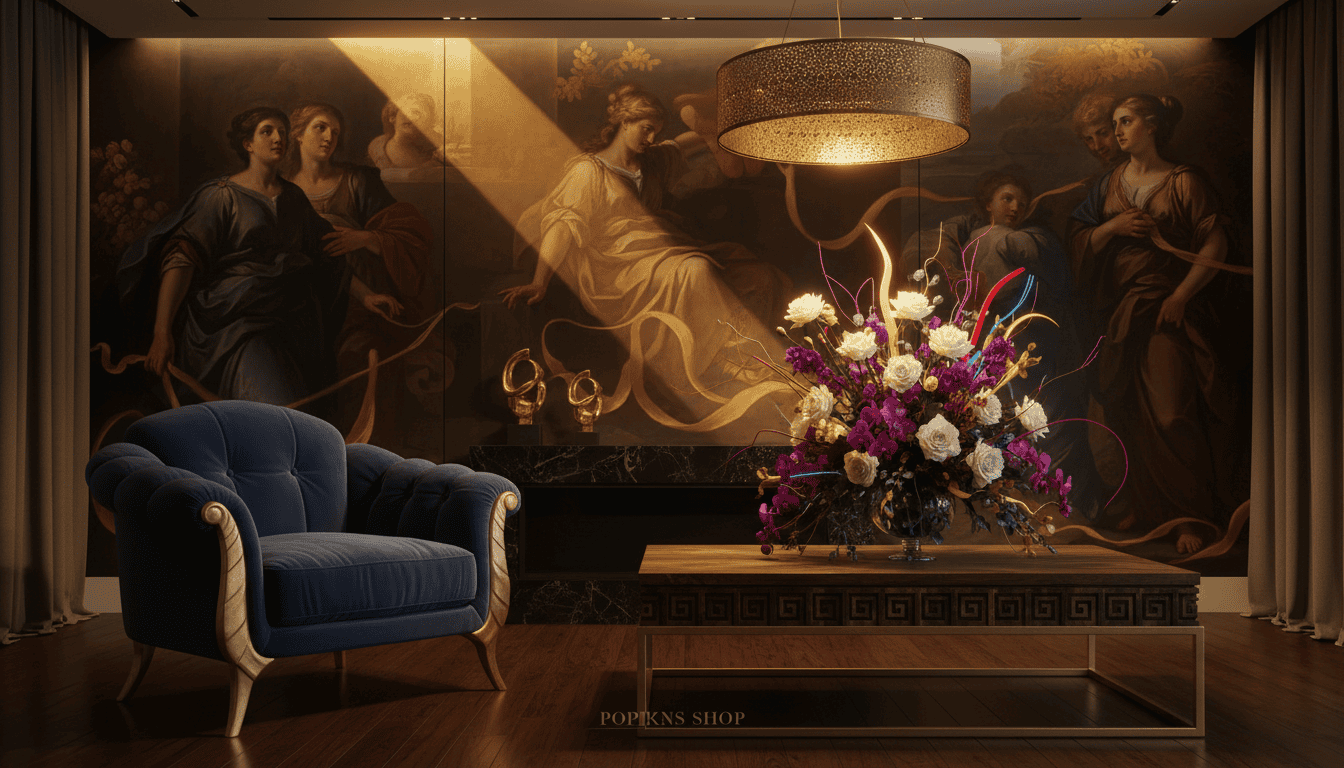
This interaction creates a dialogue between the old and the new, making your space feel both timeless and fresh. It is a way to honor history while living firmly in the present moment.
Baroque Elements in 2026 Interiors
In the coming year, the specific elements of this movement will appear in subtle but powerful ways. You might see a single, large-scale work hanging above a low-profile sofa to create a focal point.
This contrast between the ornate style of the painting and the sleek design of the furniture creates a necessary tension. We find that these layers offer the narrative richness that many minimalist homes often lack, with a print or a painting. Understanding Giclée vs. Hand-Painted Ferri Pieces.
To help you visualize this integration, we have outlined the core components that define this look:
| Core Concept | Visual Feature | Interior Impact |
|---|---|---|
| Emotional Depth | High-Contrast Art | Creates intimacy and focus. |
| Narrative Style | Figurative Subjects | Adds a storytelling layer. |
| Texture Elements | Rich Oil Layers | Provides warmth and luxury. |
This movement demonstrates that historical aesthetics are living vocabularies rather than dead languages. Your home becomes a gallery where every shadow tells a story and every highlight captures an emotion.
Luxury Home Decor Trends: The Dramatic Turn
For the first time in decades, the quiet hum of neutral palettes is being replaced by the thunderous silence of Neo-Caravaggist shadows. We are witnessing a luxury home decor trend that favors emotional weight over empty, white spaces. This pivot marks a return to the soul and heritage of the home.
High-End Collectors Embrace Neo-Caravaggism
In vibrant cultural hubs like New York, discerning collectors are moving away from abstract, safe investments. They now seek figurative art and compelling works that showcase undeniable skill and human struggle. This shift isn’t just about fashion; it is a deep search for meaning.
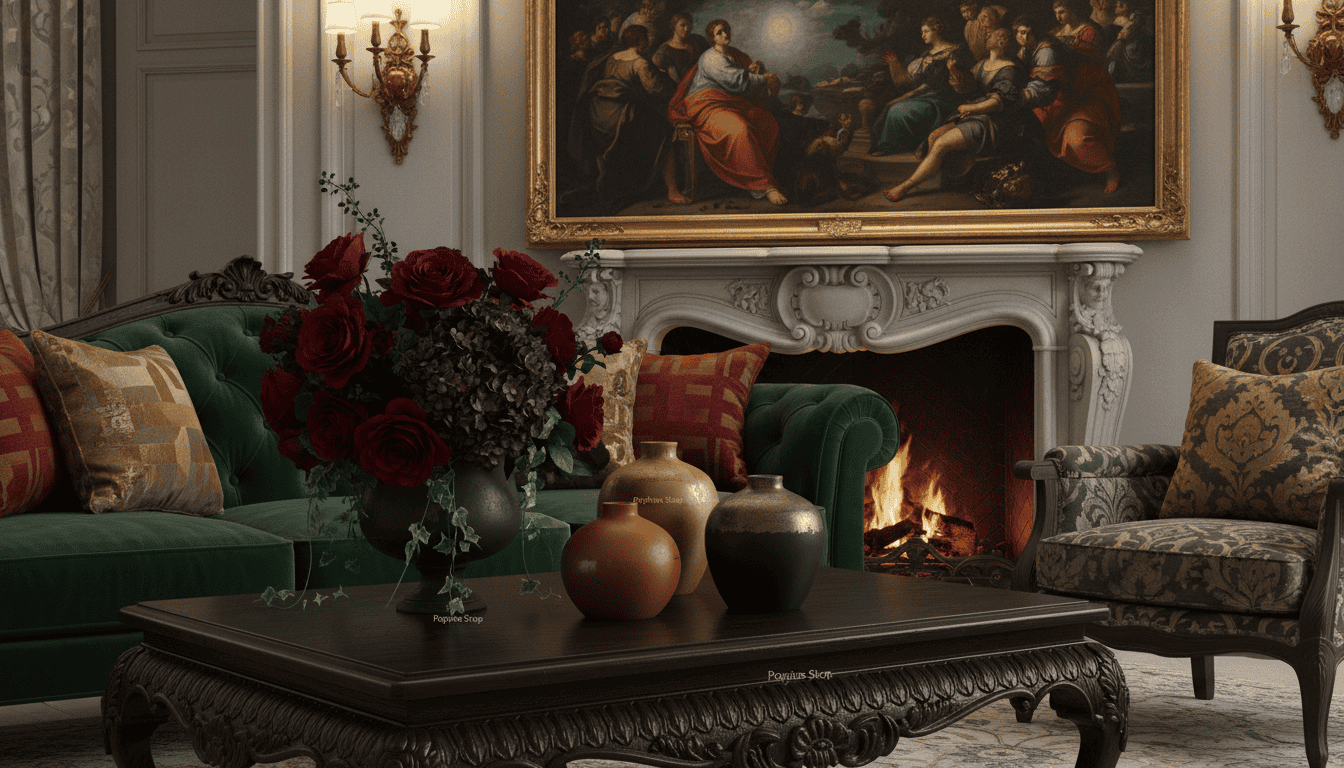
These individuals value the artisan’s touch and the narrative depth of the canvas. They want design that feels permanent, powerful, and deeply personal. By choosing Neo-Caravaggism, they align themselves with a timeless legacy of craftsmanship and beauty.
- Emotional Connection: Moving from cold concepts to visceral human experiences.
- Technical Mastery: A celebration of traditional oil techniques and figurative precision.
- Investment Value: Acquiring pieces that hold cultural significance across generations.
Museum-Quality Art in Residential Settings
Why should museum art only be seen behind cold glass walls in public institutions? We believe your home should be your personal gallery of extraordinary beauty. Modern works of this caliber transform a simple room into a sacred space for contemplation and art appreciation.
In New York and other global centers, high-end professionals are building entire rooms around a single painting. Every design choice follows the light and shadow of the primary canvas. This dramatic turn ensures that museum art becomes a lived experience rather than a distant observation.
| Design Element | Minimalist Era | Neo-Caravaggist Turn |
|---|---|---|
| Visual Focus | Neutral Palettes | Dramatic Shadows |
| Spatial Intent | Aesthetic Utility | Emotional Narrative |
| Collector Goal | Concept/Abstract | Craft/Legacy |
We have spent years observing how luxury evolves, and this movement feels more like a homecoming than a passing phase. It is a fundamental realignment of what we value in our private living spaces. Authenticity and soul have finally returned to the forefront of the home.
Implementing Neo-Caravaggism in Your Interior Design
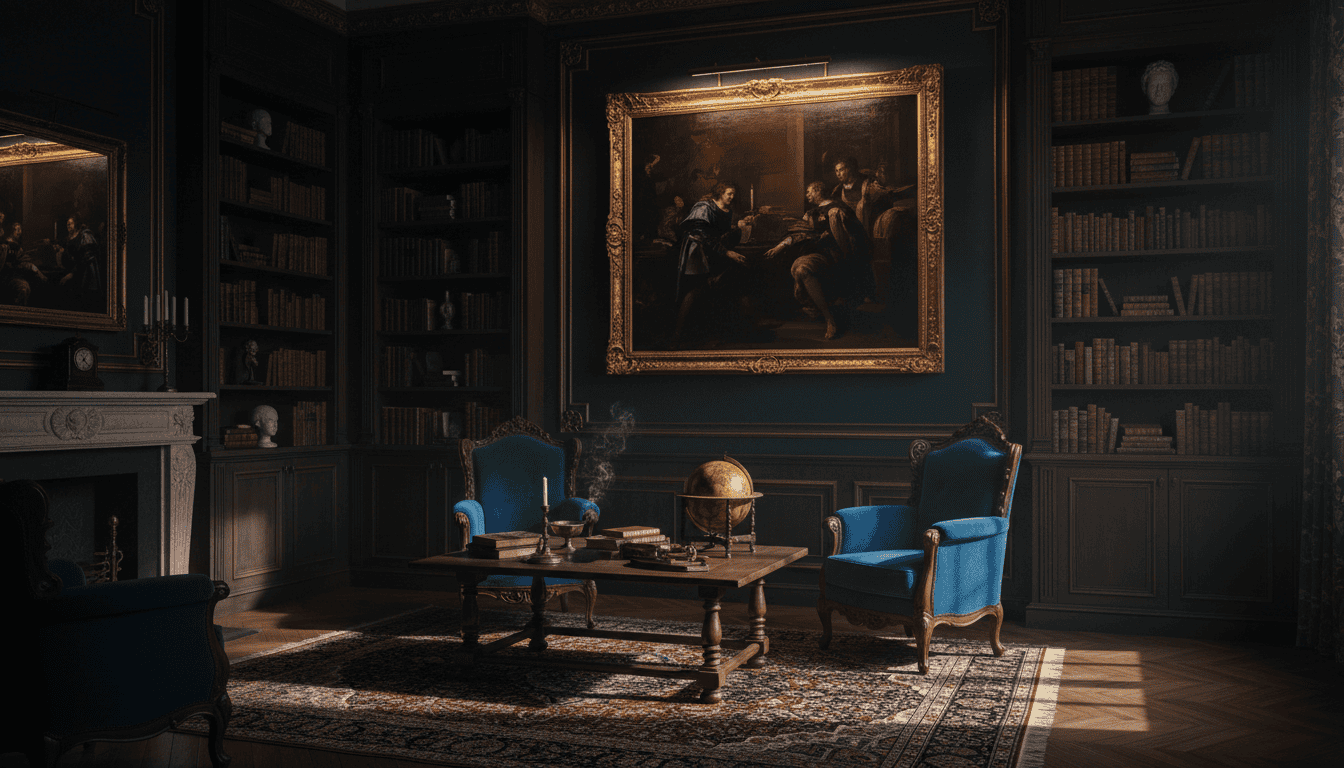
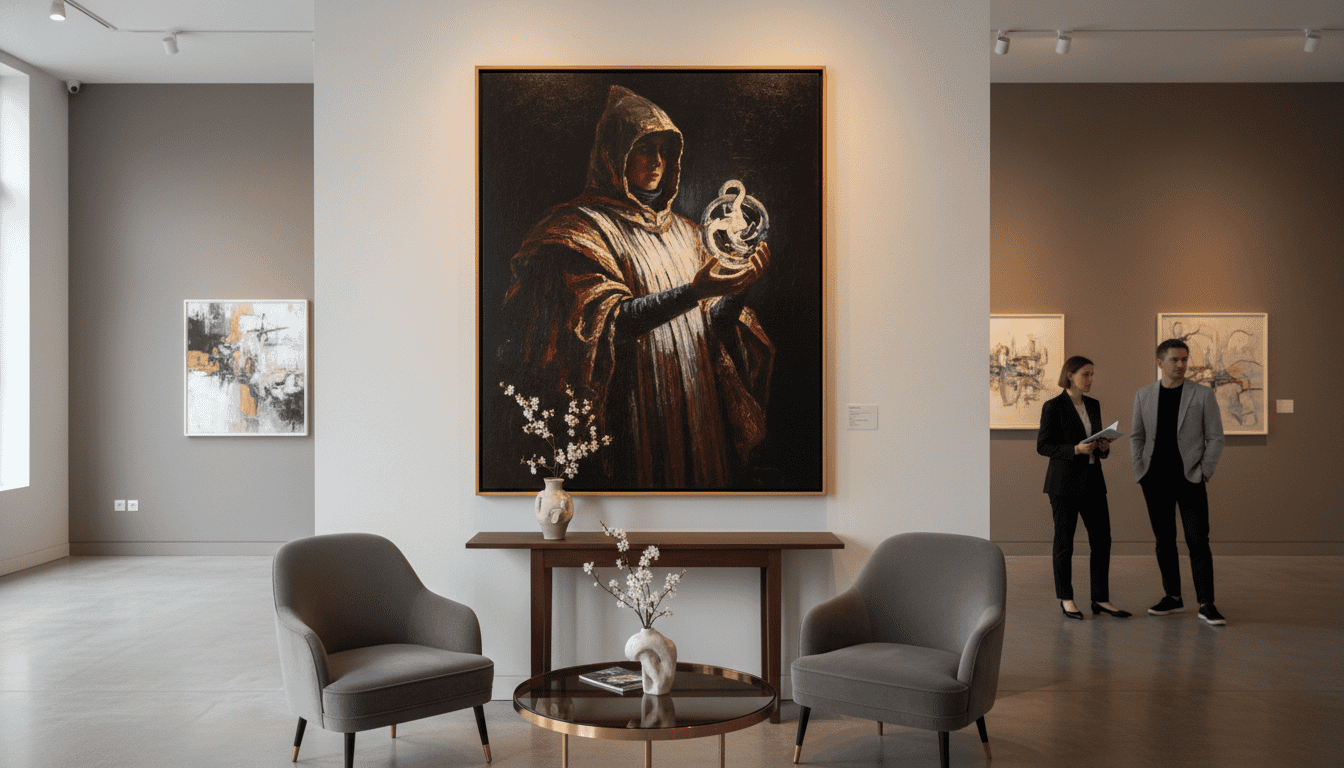
Incorporating Neo-Caravaggism into your living space is about more than just hanging a frame; it is about staging an experience. At Poppins Shop, we understand that a painting serves as a spatial anchor rather than a simple filler for empty walls. You should build your room around the dramatic presence of these specific elements to ensure they command the attention they deserve.
Choosing the Right Spaces for Maximum Impact
We recommend identifying rooms where contemplation happens naturally. These are spaces where people linger rather than merely pass through. The emotional intensity of the art should enhance the room’s function, creating a sanctuary for thought and deep feeling.
Lighting Considerations for Dramatic Lighting Effects
Because Neo-Caravaggist pieces contain internal drama, external light must complement rather than compete with the work. We suggest a careful play between ambient darkness and focused, directed illumination. This way, you echo the chiaroscuro found within the canvas itself, amplifying the contrast for a theatrical effect.
Scale and Placement Strategies
Scale is vital because these masterpieces demand visual dominance. A monumental canvas transforms a room into a stage where the viewer becomes part of the narrative. We avoid even illumination, preferring a play of shadows that lets the painting emerge from the darkness in a hauntingly beautiful way.
Living Rooms and Studies
Living rooms provide an ideal context for engagement and social conversation. We suggest positioning the centerpiece as the focal point, arranging furniture to face the visual drama. This design approach creates “motivated staging,” where the room naturally orients toward the emotional heart of the home.
Studies benefit from the intellectual gravitas that Roberto Ferri’s style provides. A single powerful piece above a desk or reading chair creates an environment of serious thought. This design choice supports a life of reflection and scholarly pursuit.
Bedrooms and Private Galleries
Bedrooms offer a more intimate relationship with dramatic imagery. In these private quarters, the emotional intensity becomes meditative rather than performative. Placement opposite the bed allows for quiet contemplation during the softest moments of your day.
Private galleries allow us to create a sequential journey through a home. Multiple pieces can build emotional complexity as you move through the hall. This design strategy turns a simple corridor into a curated path of personal discovery.
Our decade of experience in Saigon has taught us that successful homes require a hand-selected approach. We help you choose the right context and strategy to amplify transformative power. Every hand-finished detail at Poppins Shop is intended to make museum-quality beauty a permanent part of your legacy.
Poppins Shop’s Decade of Art Trend Expertise
True expertise isn’t born overnight; it is forged through ten years of meticulous observation in our Saigon studio. For ten years, our atelier has occupied a unique position between an art gallery and a scholarly observatory. We watch how specific art movements emerge and eventually reshape the spaces where you live.
Ten Years of Identifying Shifts in Saigon
We have witnessed trends come and go, from the brief spark of geometric abstraction to the long romance of minimalism. Our location in Saigon provides an unexpected advantage in the global market. We maintain a healthy distance from the immediate market hype often found in New York or London galleries.
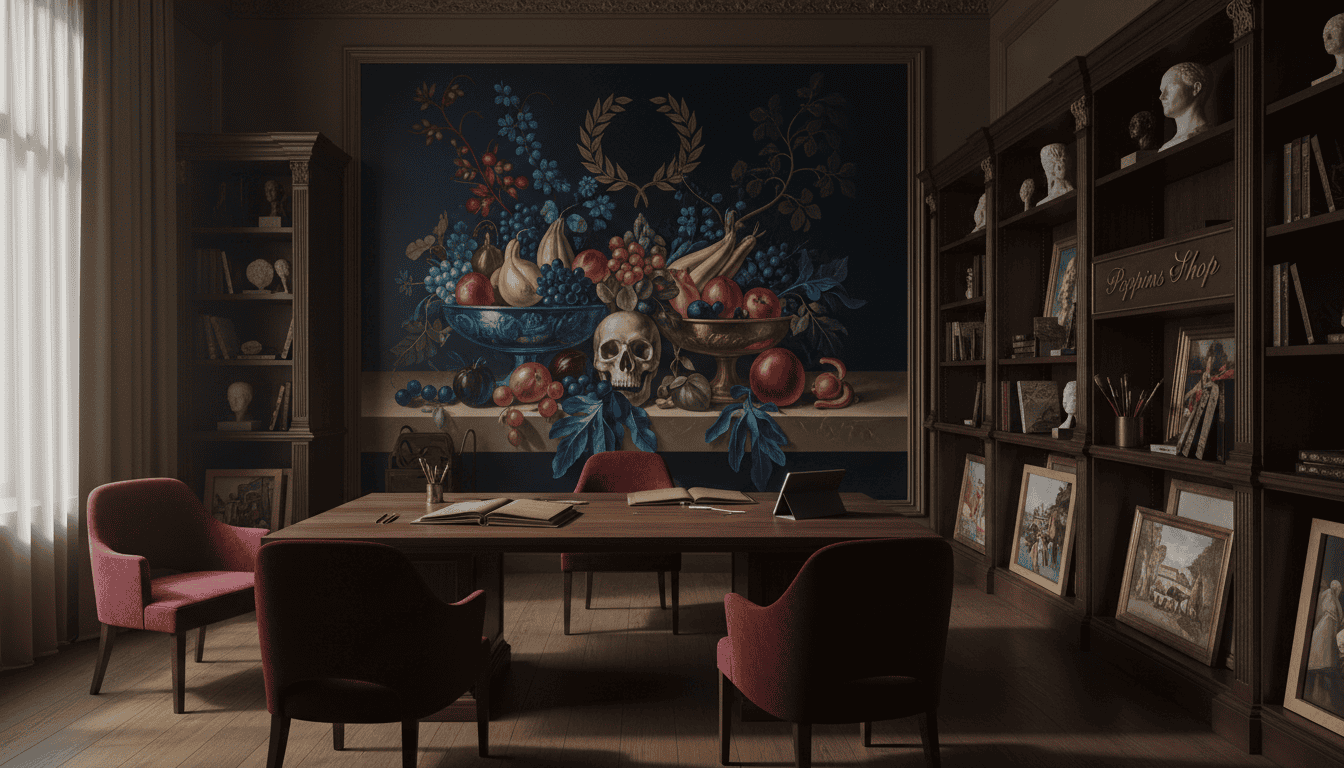
This distance allows us to maintain scholarly objectivity while identifying an authentic movement. We see shifts that stem from real cultural needs rather than corporate marketing. Every day spent in our studio is a commitment to understanding what makes a work truly timeless.
Scholarly Observation and Curation
Our approach differs from reactive trend-following because we prioritize genuine historical study and deep research. We track what serious collectors in New York and Paris acquire for their private estates. We observe which talented painter commands attention in institutional settings long before they reach the mainstream audience.
By studying the history of art, we can predict which styles will offer long-term value to your home. We synthesize these global signals into a curated collection that balances heritage with modern luxury. This ensures that your investment in beauty is backed by years of expert insight.
| Era of Focus | Dominant Aesthetic | Emotional Resonance |
|---|---|---|
| 2016 – 2019 | Geometric Abstraction | Intellectual Order |
| 2020 – 2023 | Warm Minimalism | Quiet Restraint |
| 2024 – 2026 | Neo-Caravaggism | Profound Depth |
Why We Recognized This Movement Early
We recognized the Neo-Caravaggism movement early because we understood the cyclical patterns of human appreciation. Three years ago, we saw that sterile conceptualism had left many homeowners feeling emotionally empty. People began hungering for emotional authenticity and beauty that wasn’t afraid to speak with power.
We started introducing clients to dramatic figurative techniques long before they became a household name in design. Investing the time into study allows us to distinguish a passing fashion from a substantive cultural shift. Day after day, we maintain relationships with designers to understand your evolving needs.
When we say this style is the future of interiors, we are reporting data-driven observations gathered over a decade. We avoid the noise of New York fashion cycles to bring you art that truly lasts. Our expertise ensures you stay ahead of the curve in a world of fast-moving and temporary trends.
Print Quality Matters: Technical Excellence at Poppins Shop
At Poppins Shop, we believe that the technical soul of a reproduction determines whether it truly honors the original master’s vision. Reproducing Neo-Caravaggist art demands technical capabilities that standard printing simply cannot deliver. To capture the subtle gradations between shadow and light, we have refined our process to match the weight of the design impact.
Epson P9530 12-Color Technology
Our Epson P9530 12-color technology represents the pinnacle of fine art reproduction today. It employs an expanded color gamut that captures the nuanced tonal variations essential to Roberto Ferri’s emotional painting style. This twelve-color system allows us to reproduce the deep, rich shadows that define tenebrism while maintaining luminosity in highlighted areas.
Capturing both darkness and light with such fidelity is something six- or eight-color systems cannot achieve. We invest in these tools because we know that emotional depth requires the highest level of color accuracy. Your chosen painting deserves to be seen exactly as the artist intended, with every shadow preserved for your enjoyment.
Archival Canvas and UV Varnish Protection
Archival canvas forms the foundation of lasting quality in every piece we create for you. We print exclusively on museum-grade materials designed to resist fading or yellowing over the decades. These are not temporary decorations; they are works meant to anchor your space for generations to come. Discover Why Premium Italian Cotton Matters for Dark Art.
Our UV varnish protection provides the final safeguard against environmental damage. It creates a protective barrier while adding a subtle depth that enhances the visual presence of the piece. This protection preserves the work without altering its authentic appearance or texture.
Oil Painting, Frame, and Stretcher Options
The oil painting option takes reproduction beyond mere printing into the realm of hand-crafted mastery. Skilled artists apply oil paint over our archival prints to add tangible texture and dimension. This creates the unmistakable presence that only a hand-worked surface can provide to a painting.
We also offer museum-quality frame and stretcher options to complete your presentation. You can choose from gallery-wrap stretching or elegant frames that complement the artwork without competing with it. We ensure that the final piece has the substantial presence of an original gallery masterpiece.
Every day in our Saigon atelier, we balance technological precision with artisan attention. Machines provide color accuracy, but human expertise guides the final finishing and quality verification. We are committed to delivering a piece that maintains its beauty and value across time, discover the Logistics of International Art: Rolled vs. Framed
Neo-Caravaggism interior design is The Future of Emotionally Rich Interiors
The future of emotionally rich interiors is not mere speculation. It is unfolding today as we move away from cold, empty rooms. Homeowners now desire spaces that show the authentic complexity of human life and deep feeling. We are finally ready for homes that feel human again.
Neo-Caravaggism is a powerful movement that will define the coming years. It is more than a simple design choice; it is a cultural correction. We see a shift toward art that moves the soul and challenges the viewer instead of just decorating a wall.
The painting techniques of Roberto Ferri bring back a sense of wonder to our modern world. His masterful style offers the emotional truth that mass-produced decor lacks. This art does not just match your furniture; it changes how you experience your home every day.
As we look ahead from our decade of observation in Saigon, we see this as a lasting language of beauty. We believe this shift toward darkness will stand the test of time. Through these choices, today’s owners show their rich intellectual life. We invite you to embrace a design that is as complex and meaningful as your own experiences.
FAQ
Why is Neo-Caravaggism gaining such momentum in society today?
Who is the painter known for this specific style?
What effect does the light in these paintings have on a room?
Where can I get know more about these works or see an exhibition?
Does this aesthetic include pastoral scenes like those from the court of King Louis?
How has Poppins Shop developed its expertise in this art?
