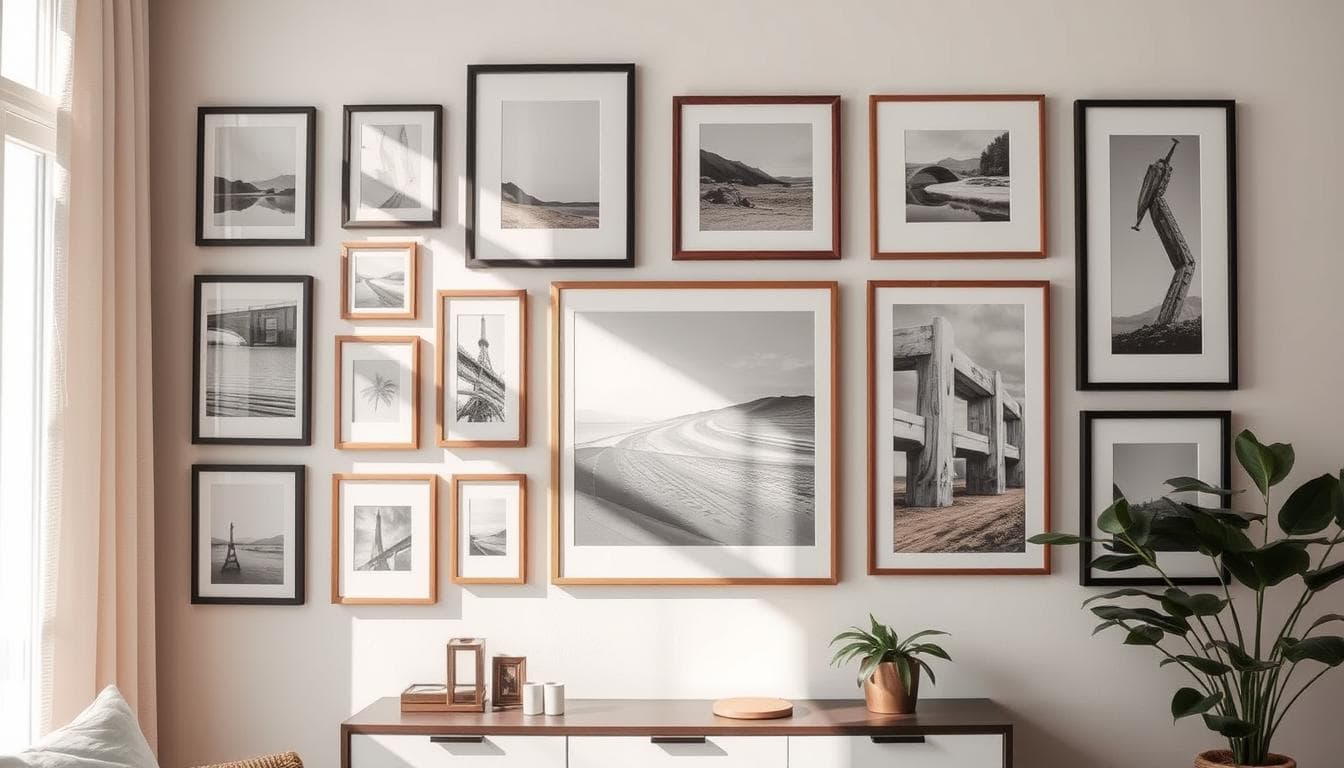
Imagine walking into a room where the interior design instantly calms your soul. Your home should reflect your unique journey through carefully chosen décor. This guide shows how a professional arrangement changes your house into a sanctuary.
We provide expert steps for mastering a Grid, Eclectic, or Linear design. Discover the space-altering beauty of 100% hand-painted pieces from Poppins shop. Our Saigon atelier brings ten years of experience to every Cotton canvas.
Every wall needs a soul. We use French Pébéo oils and a 4-week curing process to ensure excellence for every framed art piece. This collection offers lasting beauty for any collector seeking museum-quality craftsmanship.
What Makes a Stunning Wall of Framed Art
Understanding the core elements of a successful visual arrangement helps transform any room instantly. Professional installations go beyond simple decoration to create a curated experience for the viewer. Each art piece adds elegance and personality to your room, serving as an expression of your identity.
Defining Gallery Wall Excellence
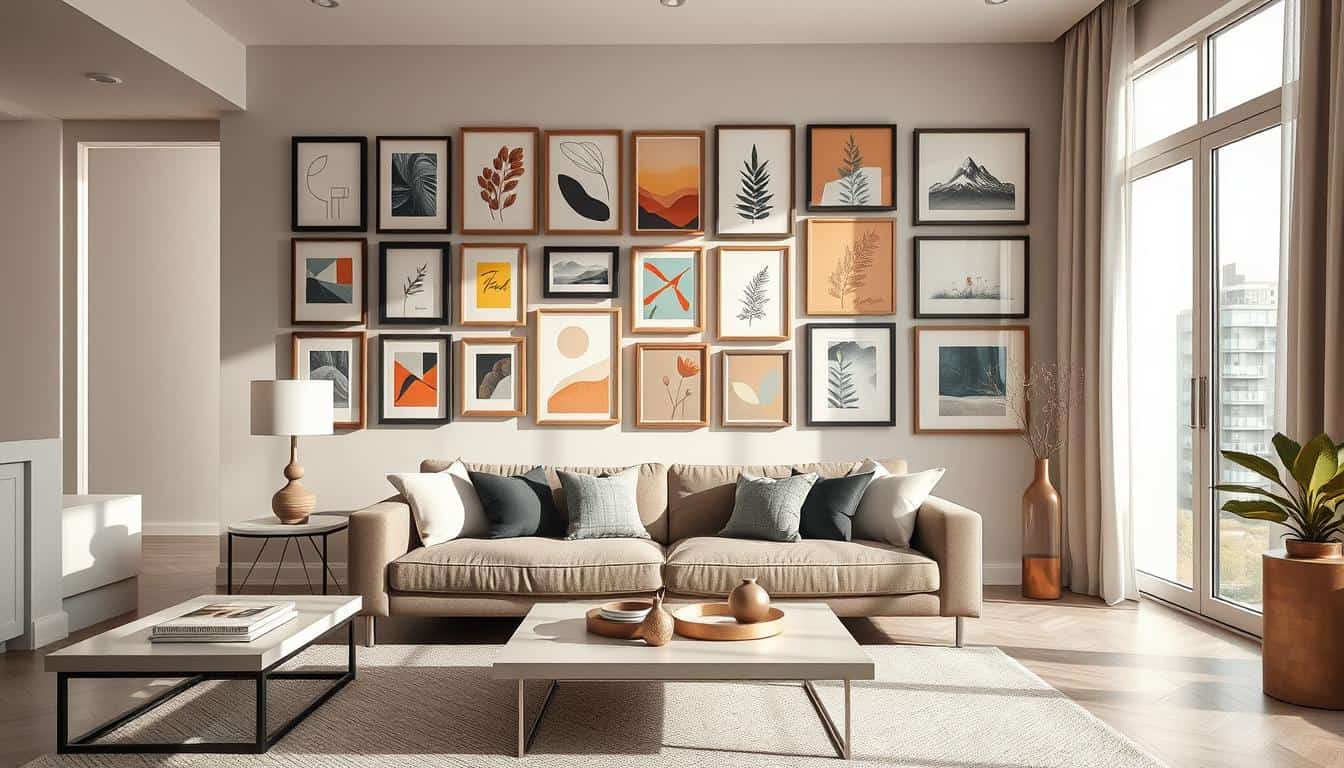
Achieving gallery wall excellence requires a careful balance between artistic variety and visual cohesion. You must manage the visual weight of each piece to ensure the arrangement feels intentional and grounded. This intentional curation separates a professional-quality installation from a simple collection of random pictures.
Every selection should contribute to a larger visual story that captivates anyone who enters the space. Using high-quality materials ensures your art maintains its impact over time. A balanced layout creates a sense of order that naturally draws the eye across the entire display.
The Power of Framed Wall Artwork in Interior Design
High-quality framed art adds significant dimensional depth and structural integrity to your modern interior. Frames act as a unifying force that brings diverse art styles together for a polished and consistent look. This approach enhances the natural beauty of the room while defining its overall style.
Properly curated wall art changes the emotional atmosphere and the perceived value of a home. It establishes a strong focal point that grounds your chosen décor and furniture. Using premium framed art elevates the space while letting each art piece tell a unique story. A well-designed wall art arrangement creates a personal gallery that commands lasting admiration from every guest.
Planning Your Perfect Wall of Paintings
Successful displays require careful measurement and a clear theme. A strategic plan balances technical data with your aesthetic vision. You should evaluate how every piece works with the surrounding environment to ensure a professional result.
Measuring Your Wall Space Accurately
Start by calculating the total usable space of your chosen wall. You must account for fixed features like windows, vents, and light switches. Leave enough breathing room around furniture to prevent a cramped look and maintain natural traffic flow.
Assessing Your Art Collection and Variety
Review your current collection to identify a healthy variety of sizes. Check for stylistic compatibility and frame consistency before you begin. A diverse mix of pieces adds visual depth when you group art with intent.
Establishing a Cohesive Style and Theme
Choose a unifying element, such as a specific color, to anchor the display. This helps the eye move naturally across the arrangement. Maintaining a consistent style allows you to mix different art genres effectively while keeping a polished appearance.
Considering Room Function and Lighting
The purpose of the living area dictates the energy of your art selection. A vibrant living room often supports bold statement pieces. Conversely, a home office benefits from calming imagery that enhances daily productivity.
Consider how natural and artificial light affects color perception. Proper illumination protects your wall art from fading over time. Use digital sketches to visualize the layout before you start hanging your wall art.
Essential Tools Checklist for Hanging Wall Art
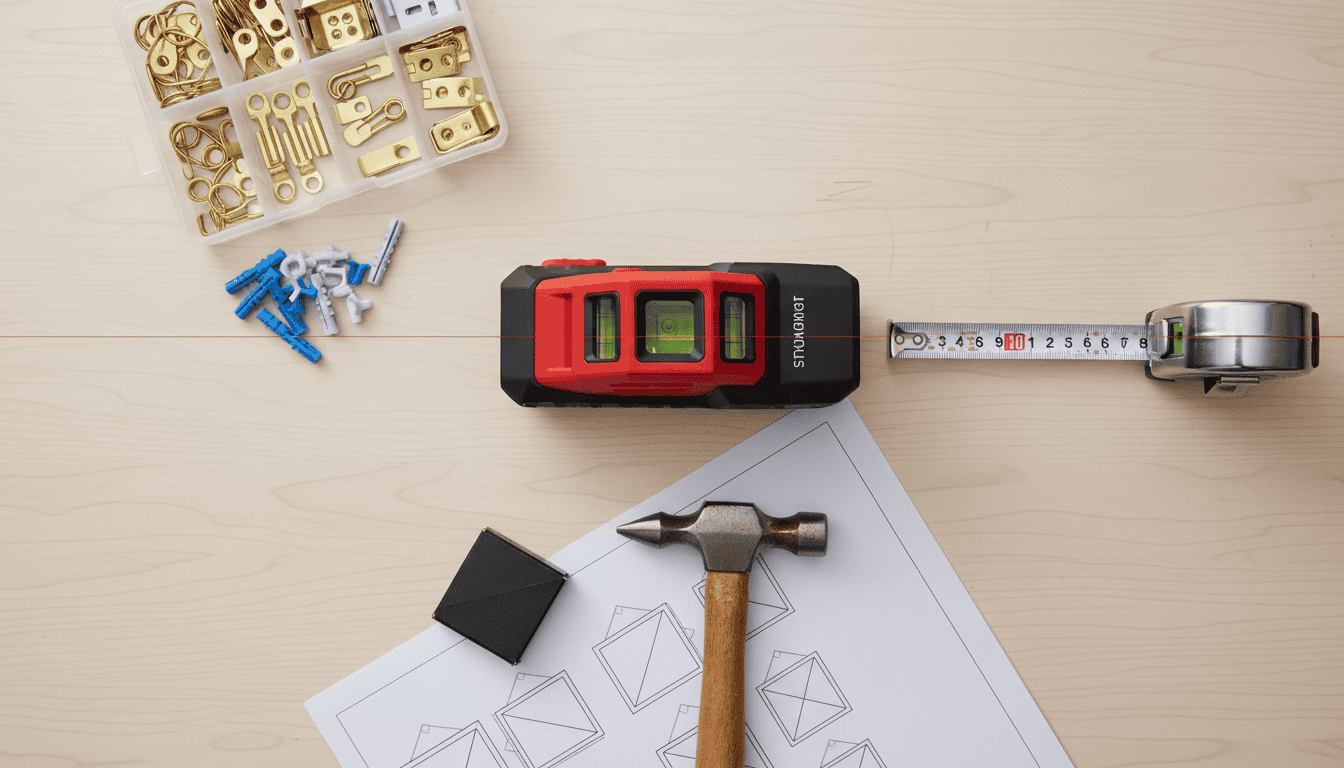
Securing a professional gallery look requires more than just a hammer. It demands a curated kit of specialized hardware and measuring devices. Having the right picture hanging kit hardware tools ensures your display remains stable and safe for years.
Hardware Requirements by Frame Weight
Frame materials range from light wood to heavy metal. Each type requires specific support to stay secure. Heavy materials need much stronger mounting solutions to avoid falling.
For a lightweight piece under 5 pounds, simple picture hooks usually suffice. However, a heavy art frame exceeding 25 pounds often needs wall anchors or stud mounting. Choosing the right options for your wall art prevents damage to the wall surface and your precious items.
Precision Measuring and Leveling Tools
Professional installation demands absolute accuracy to look its best. Essential tools include a high-quality tape measure and a sharp pencil for marking spots. A laser level is the best way to ensure multiple items align perfectly along a single horizontal plane.
You can also use smartphone leveling applications to maintain consistency across a complex art arrangement. These digital tools provide multi-piece accuracy without the need for bulky equipment. These steps help you achieve the perfect height and spacing for every frame.
Protective Equipment and Supplies
Protecting your surfaces is just as important as the physical installation. Use wall-safe painter’s tape to mark positions without peeling the paint. Corner protectors and drop cloths safeguard your floors and the wall art from accidental drops or scratches.
Wearing cotton gloves can also prevent natural oils from your skin from marking the frame. These small steps demonstrate technical expertise and ensure the project remains clean. Using high-quality art supplies reflects a deep respect for your collection.
Optional Tools for Professional Results
For more complex projects, a stud finder with AC detection is a vital asset. This device helps you locate solid mounting points while avoiding hidden electrical wires. Cordless drills with adjustable torque settings also make installing heavy-duty anchors much easier.
You might also consider specialized picture-hanging systems for a gallery-style aesthetic. Organizing these items in a portable box keeps everything accessible for the framed art setup. A well-stocked toolkit allows you to handle any installation scenario with confidence.
Grid Layout Template: Creating Structured Framed Art on Wall
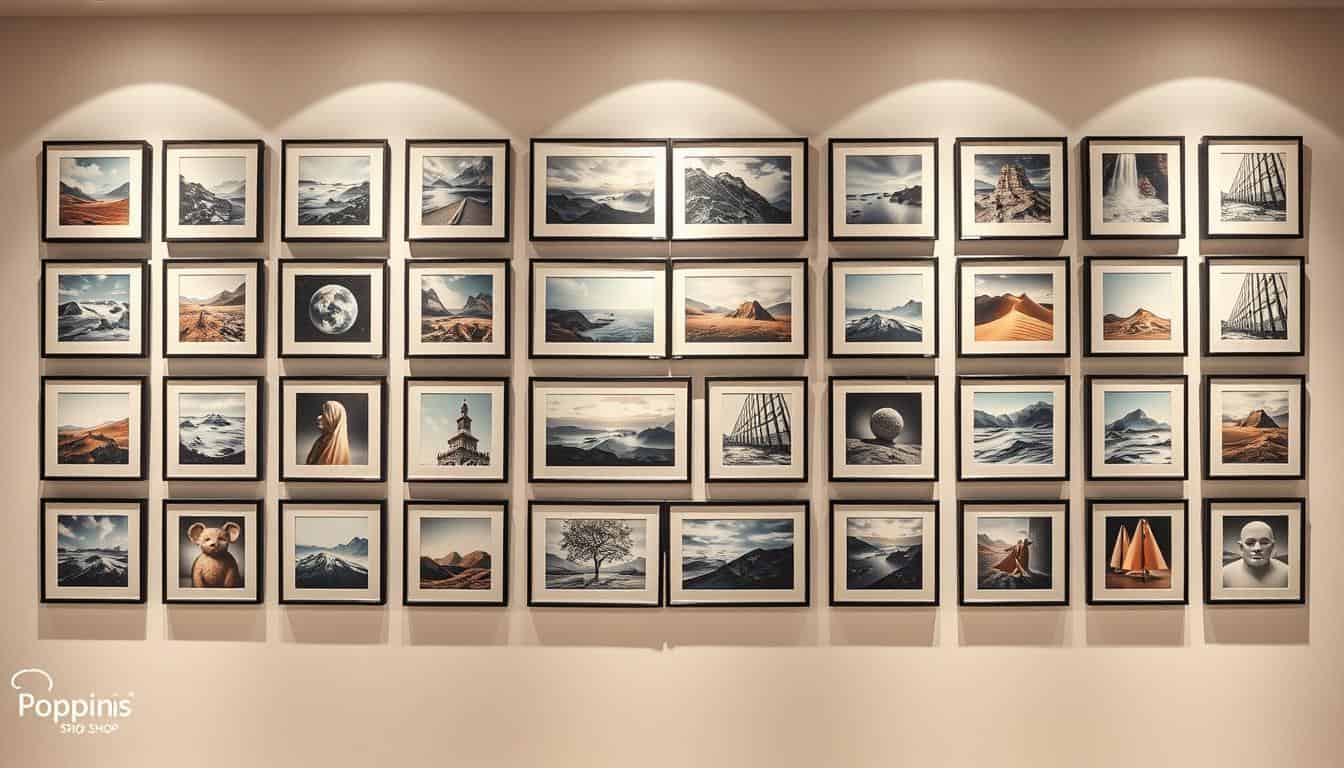
For those who like balance, the grid layout is the best choice for a tidy gallery wall. This style uses the same sized framed art to create an orderly look. It works well in modern homes where every detail matters and symmetry is valued.
When Grid Layouts Work Best
A grid is perfect when your office needs a professional and calm look. It also helps a living room feel balanced when you hang it above a large sofa or sideboard. Spaces with straight lines often need this kind of visual weight on the wall to look complete.
Step-by-Step Grid Arrangement Process
First, measure the total area you want the art to cover on your surface. Count how many pieces will fit based on the frame size and the gaps between them. You should find the middle point of the wall to keep the whole group centered and even.
Spacing Guidelines for Uniform Framed Prints
For your framed prints, we suggest leaving 2 to 3 inches between each piece. This small gap creates strong visual unity while letting each work of art stand out. Keeping these gaps the same is the secret to a great gallery wall that looks high-end.
Perfect Grid Applications for Living Room and Office
A grid of prints matches the clean lines of modern furniture and creates a curated art collection. Using a matching frame for every piece makes the prints look unified. This choice ensures your fine art display remains polished and professional for any framed art enthusiast.
Eclectic Layout Template: Mixing Styles and Sizes
Mixing diverse art styles requires a keen eye for visual weight and creative confidence. These dynamic arrangements combine a wide variety of styles, including vintage photography and contemporary abstracts. It is the perfect way to build a gallery that feels personal and unique.
Achieving Visual Balance with Asymmetry
Achieving visual balance in an asymmetrical display relies on the strategic distribution of weight. You should use larger works as anchors and surround them with complementary smaller framed art. This approach prevents the wall from feeling cluttered while maintaining a sense of movement.
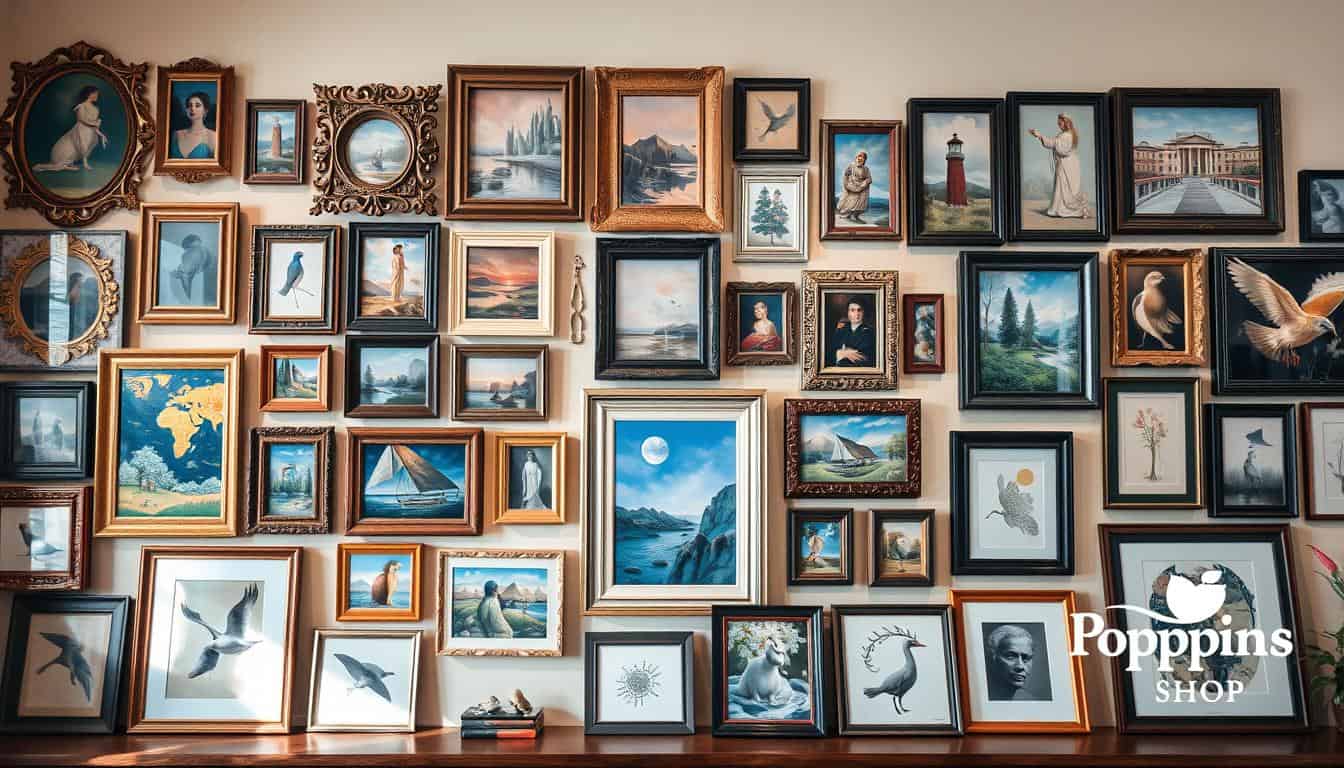
Balance does not mean symmetry, but rather a harmony between different elements. By spacing your framed art thoughtfully, you create a professional look that draws the eye naturally across the surface. Visual weight is the most important factor to consider when positioning each item.
Combining Frame Sizes and Art Prints
Effective arrangements typically pair one or two large anchor pieces with medium and accent sizes. You might combine a 24×36 frame with several 8×10 art prints to create dimensional interest. This mix adds depth and variety to any room in your home.
Pairing different prints allows you to blend various mediums like oil paintings and sketches. Using various sizes of art prints helps you fill gaps and create a layered aesthetic. This technique ensures that the final result looks curated rather than accidental.
Selecting Your Focal Statement Piece
The statement piece acts as the heart of your entire collection. It establishes the initial color palette and visual hierarchy for the wall. Choose a piece that truly reflects your personality to guide the placement of every other work.
Once you select your main focal piece, use paper templates to test different configurations. This allows you to visualize the layout before making any permanent holes in your wall. Testing several designs ensures the collection looks balanced from every angle.
Color Coordination Across Your Collection
Maintain coherence by limiting your palette to three or five dominant colors across the prints. You can use matching frame finishes to create visual connections between different art prints. This simple strategy unifies diverse art themes effortlessly.
Consistency is key when mixing bold abstracts with soft landscapes. Balancing warm and cool tones prevents the arrangement from feeling overwhelming. Proper coordination ensures your wall looks like a professional gallery installation.
Linear Layout Template: Clean Lines for Wall with Paintings
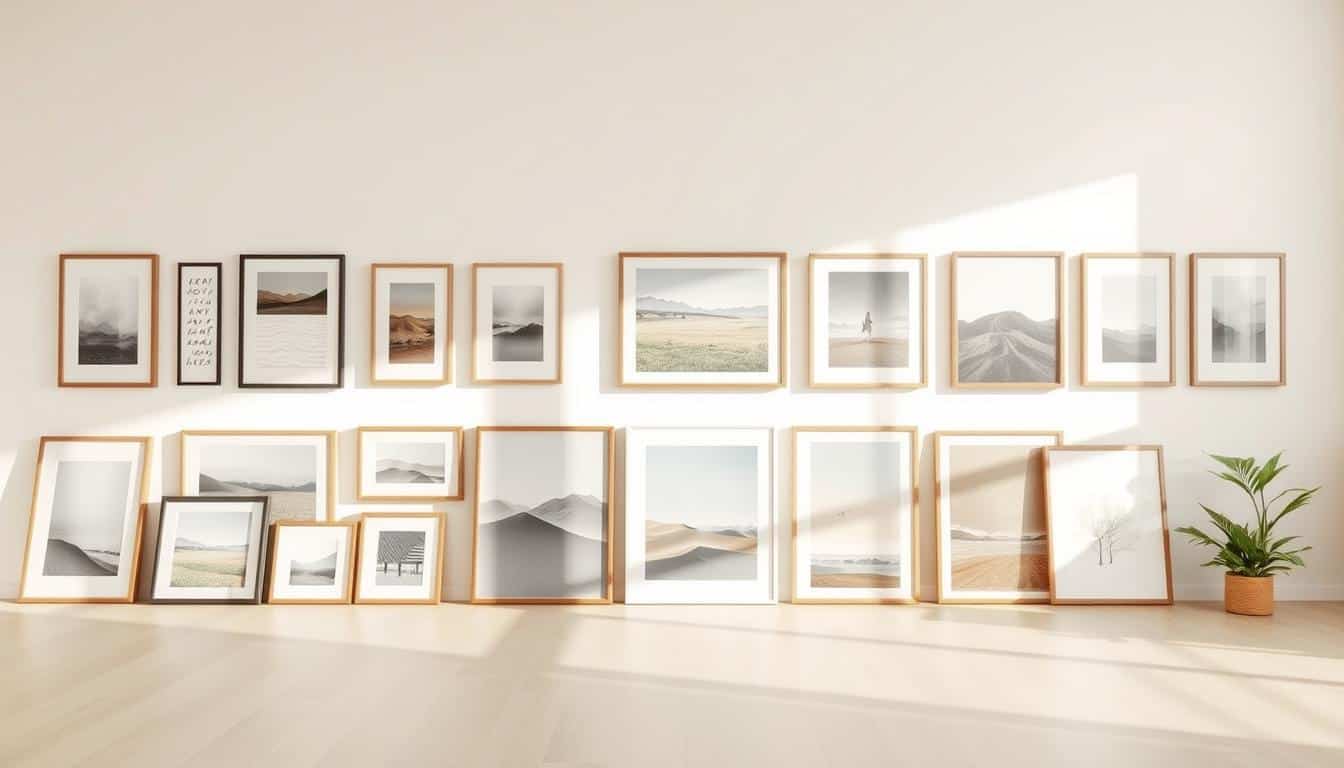
To achieve a clean and polished look, many designers turn to the simplicity of a linear gallery wall. This specific layout uses a single horizontal or vertical axis to align your art, creating a streamlined aesthetic that feels both modern and intentional. It emphasizes architectural lines and brings a sense of visual harmony to your wall space without overwhelming the room.
Horizontal Linear Arrangements for Hallways
Horizontal compositions work beautifully in long hallways or above low furniture like sideboards and console tables. This style guides the viewer’s eye along the natural path of the corridor, making the area feel more expansive. To maintain professional standards, keep a consistent 2 to 4 inch gap between each frame while centering the entire collection at eye level.
Vertical Linear Displays for Narrow Walls
Narrow sections of a wall often benefit from vertical displays that draw the eye upward and enhance the perceived height of the ceiling. Placing framed art between windows or beside doorways transforms awkward gaps into sophisticated focal points. You can maintain uniform dimensions for a minimalist feel or graduate sizes from large to small for a more dynamic artistic sequence.
Ideal Space Applications for Linear Gallery Wall Designs
These linear gallery wall designs fit perfectly in entryways to create a welcoming first impression. In dining rooms, horizontal lines often complement the dimensions of a long table, while office corridors benefit from this organized wall decor to maintain a professional atmosphere. Choosing a row of high-quality framed art ensures a cohesive and timeless look. Such art arrangements effectively bridge the gap between contemporary and traditional interior designs.
Preparing Your Wall Surface for Installation
Before you drive a single nail into the drywall, you must understand the surface you are working with. Proper preparation ensures that your framed wall art remains secure and level over time. Skipping this step often leads to damaged surfaces or loose hardware.
Identifying Wall Type and Material
Every wall has unique needs based on its construction material. Drywall and plaster are common in modern homes, while older buildings might feature brick or concrete. Each surface requires specific hardware to keep your heavy frame safely attached to the vertical space.
Paneling and masonry demand specialized drill bits and plugs for a firm grip. Understanding your building materials prevents crumbling plaster or cracked wood during the process. Always test a small, hidden area if you are unsure about the substrate’s density.
Locating Studs and Using Wall Anchors
Locating a stud is the most reliable way to support heavy art. Use an electronic stud finder or tap the surface to listen for a solid sound near electrical outlets. These wooden supports provide the strongest foundation for any large frame.
If a stud isn’t available, choose high-quality toggle bolts or plastic anchors. These tools expand behind the surface to distribute weight evenly. This prevents the hardware from pulling out and damaging the interior structure.
Surface Preparation and Cleaning
A clean wall is vital for a professional result. Fill old holes with spackle and sand them smooth before you begin. This creates a pristine canvas for your new art arrangement.
Wipe down the wall to remove dust and grease that might mark your art. Freshly painted areas need at least two weeks to cure before you apply any adhesive spacers. Thorough cleaning ensures that your installation looks polished and lasts for years.
Creating Life-Size Paper Templates
Professional installers always test their layouts before making permanent commitments to a wall arrangement. Using life-size paper templates is a professional technique that eliminates installation errors by allowing for full-scale visualization. This clever method prevents costly mistakes and ensures you do not turn your wall into Swiss cheese with unnecessary holes.
Cutting Accurate Templates for Each Piece
Begin by placing each frame on a roll of kraft paper or recycled newspaper. Trace the exact dimensions of each piece carefully using a pencil or marker. Ensure you mark the frame hardware attachment points clearly on the paper to save significant time during the final hanging process.
Arranging Templates to Test Your Design
Use removable painter’s tape to position your templates on the wall surface. This approach allows for unlimited rearrangement until you achieve the perfect design for your specific space. You can experiment with different spacing and heights without ever damaging the paint or drywall surface.

Refining Visual Balance Before Commitment
Step back and view the arrangement from multiple angles to ensure visual balance for your art. Take a high-quality photograph of the gallery to evaluate the composition objectively from a distance. It is also very helpful to solicit input from other household members during this experimental planning phase.
Marking Final Positions
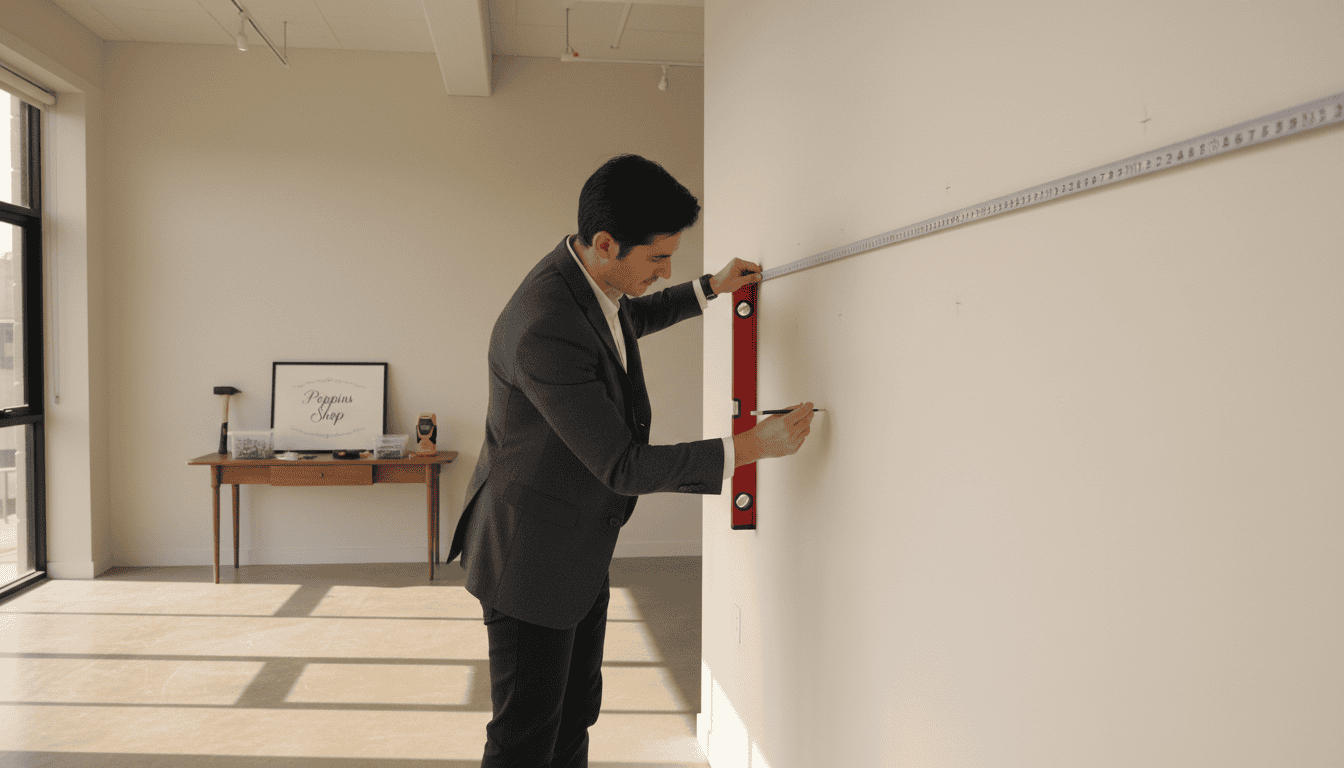
Once you are fully satisfied with the layout, use a pencil to mark the hardware points directly through the paper templates. Use a level to ensure every piece remains perfectly straight and aligned with its neighbors. This professional methodology is essential for a clean and professional art display in any art collection.
Measuring and Marking Professional Hanging Points
Achieving a professional look for your framed wall depends on the precision of your hanging points. Expert installers use proven standards to ensure every art piece sits perfectly in its environment. This technical phase prevents unwanted holes and ensures a balanced visual weight across your display.
The 57-Inch Eye-Level Standard
Professional galleries typically use the 57-inch eye-level standard to hang art. This rule dictates that the center of the art should be exactly 57 inches from the floor. This height aligns with the average human sight line for optimal viewing comfort.
You may need to adjust this standard based on your specific room conditions. Consider slightly higher placement if you have vaulted ceilings or lower marks if the collection sits above low-profile furniture. Maintaining this consistency creates a sophisticated, museum-quality feel throughout the home.
Calculating Wire and D-Ring Drop Distance
To find the exact nail position, you must calculate the hardware “drop” distance. Measure from the top of the frame to the peak of the taut hanging wire. Subtract this number from your desired center height to find the nail point on the wall.
For pieces with D-rings, measure from the top of the molding to the hanging point of the ring. Precise math ensures the art hangs accurately without requiring multiple adjustments. This step is vital for maintaining a clean, professional appearance.
| Hardware Type | Frame Measuring Point | Marking Technique |
|---|---|---|
| Wire Hanger | Taut Wire Peak | Single Center Mark |
| D-Rings | Ring Inner Top | Dual Horizontal Points |
| French Cleat | Top Support Rail | Level Horizontal Line |
| Sawtooth | Center Notch | Single Center Point |
Using Laser Levels for Multi-Piece Accuracy
A laser level is an essential tool when designing a complex gallery wall. It projects a steady horizontal or vertical reference line across your workspace. This allows you to align every piece with extreme accuracy regardless of individual frame sizes.
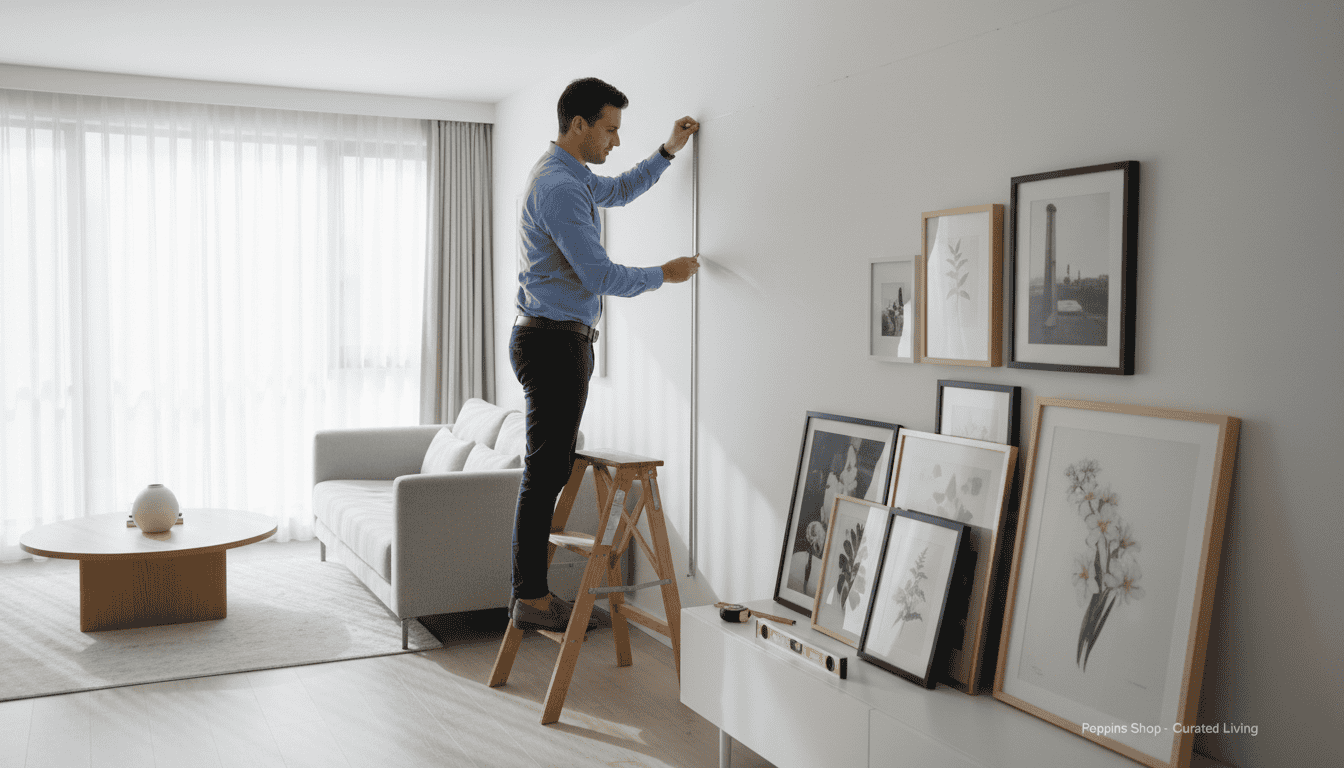
By using the laser line as a common axis, you ensure visual coherence across the entire arrangement. This tool is particularly helpful for maintaining identical spacing between frames. It eliminates the margin of error commonly associated with traditional bubble levels.
Marking Techniques for Different Frame Hardware
Different frame hardware requires specific marking approaches to ensure the fastener remains hidden. For wire hangers, use a light pencil mark at the highest point of the taut wire. For French cleats or D-rings, mark both attachment points to ensure the piece stays level.
Professional installers often use “invisible” marks like a tiny pin prick or a removable adhesive dot. These methods prevent permanent damage to your paint while providing a clear guide for your hammer. Meticulous marking is what separates high-end wall art installations from standard home decorating.
When working on a collection, always mark the horizontal center of each wall art location first. Aligning your hardware marks to this center line maintains the intended symmetry of your layout. This approach guarantees a polished and intentional final result.
Installing Hardware with Precision
Precision installation is the secret to a professional and safe gallery display. You must ensure that every frame is anchored correctly to prevent slips or damage. Using the right tools transforms a simple task into a lasting foundation for your collection.
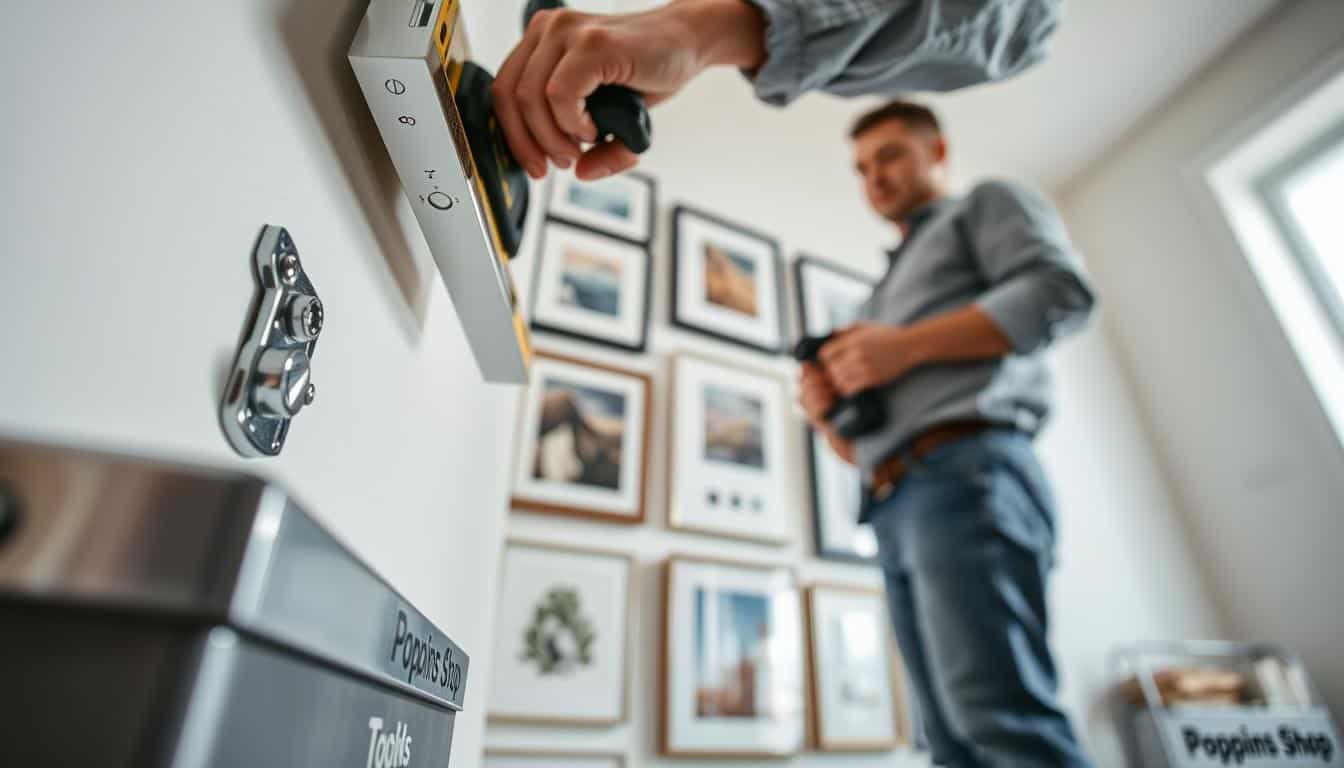
Selecting Appropriate Hardware for Framed Canvas Weight
Hardware selection depends entirely on the weight of your framed canvas. For a light piece under five pounds, simple plastic expansion anchors work well. Medium loads require self-drilling anchors to stay firm in the substrate.
If your art exceeds fifty pounds, you should utilize French cleats or toggle bolts. These systems provide the necessary strength for a heavy canvas. Always match the hook rating to the actual weight of the wall art for maximum safety.
Installing Anchors in Drywall and Plaster
Drywall requires specific anchors like toggle bolts for maximum security. However, plaster walls are more brittle and prone to cracking. You must pre-drill pilot holes before inserting any hardware to maintain wall integrity and prevent surface crumbling.
Securing Picture Rails and Heavy-Duty Hooks
Heavy-duty hooks distribute weight across a larger surface area. Picture rails are ideal for a canvas collection that you plan to rearrange frequently. They allow for easy adjustments without creating new holes in the frame area of your display.
Testing Weight Capacity Before Hanging Wall Art
Before you mount your art, perform a physical weight test. Pull down firmly on the installed hook to check for any movement. This ensures the wall will support your framed canvas safely and permanently. Proper installation keeps your art and frame secure for years to come.
100% Hand-Painted Canvas Wall Art: Elevate Your Gallery Wall
Investing in a stunning wall of framed art often starts with choosing between digital prints and an authentic hand-painted canvas. While prints are common, they lack the soul found in a hand-painted canvas created by a professional master artist. Your home deserves the texture and character that only original brushstrokes can provide.

Why Hand-Painted Art Surpasses Prints
A hand-painted canvas provides visual depth that flat digital prints simply cannot replicate. Every stroke on the canvas catches ambient light differently, which creates a living piece of wall art. This unique texture adds a premium quality to your framed canvas collection, making it a true long-term investment.
Collectors appreciate the fine art quality that comes from human touch rather than a machine. The dimensionality of the paint on the canvas makes each piece unique. This ensures your framed art stands out as a focal point in any room.
French Pébéo Oils on Premium Cotton Canvas
We use professional French Pébéo oils to ensure every canvas remains vibrant for decades to come. These oils provide high pigment concentration on a premium cotton canvas for archival stability. This high-quality combination ensures your fine art stays beautiful without fading or losing its original luster.
Our Four-Week Hand-Curing Process
Every hand-painted canvas undergoes a strict four-week curing period in our studio. This allows the oil layers on the canvas to oxidize and harden properly. This meticulous step prevents future cracking and ensures your framed canvas arrives in perfect condition for your display.
10 Years of Saigon Atelier Craftsmanship
Our Saigon atelier brings over a decade of specialized experience to every canvas we produce. From a classic still life to modern abstract designs, our artisans handle every piece with mastery. This expertise transforms a simple canvas into a museum-quality work of framed wall art.
Perfect Framed Wall Artwork for Discerning Collectors
A hand-painted framed canvas serves as the ultimate statement for any serious art arrangement. Whether you choose a traditional still life or contemporary style, the tactile nature of the canvas commands attention. Elevate your space with a framed art piece that reflects your sophisticated taste and appreciation for quality.
Our wall art pieces offer superior color rendering compared to synthetic alternatives. The use of cotton canvas provides better paint adhesion and longevity. Choose framed wall art that brings professional gallery standards directly into your living room.
Step-by-Step: Hanging Your Wall of Framed Art
Transforming your empty room into a professional display involves precise execution and the right technique. Proper installation ensures that your collection remains secure while looking aesthetically balanced. Follow these technical steps to achieve a flawless finish for your framed art.
Installing Single Statement Piece Art
Begin by verifying your final measurements one last time before drilling. Secure the hardware into the wall and adjust the wire to ensure the item hangs perfectly straight. Once you place the item, use a level to confirm its horizontal position is exact.
Multi-Piece Gallery Wall Installation Sequence
For a complex arrangement, always start with the central or largest anchor item. Working from the center outward helps you maintain consistent spacing across the entire layout. This methodical approach prevents the wall art from looking cramped or drifting off-center as you add more items.
Maintaining Level Alignment Across All Pieces
A laser level provides the most accurate results for multi-piece displays. You can also use a traditional bubble level to check each frame against architectural features like door frames. Consistency is the key to a professional-grade gallery wall installation that feels balanced.
Final Spacing Adjustments and Quality Check
Verify the gaps between each item using a measuring tape to ensure uniformity. If a display looks tilted, recheck the hardware tightness and let it settle for 24 hours. Complete your wall art project by viewing the display from multiple angles to ensure everything is secure.
| Installation Challenge | Probable Cause | Pro Solution |
|---|---|---|
| Unstable Anchors | Wrong Wall Material | Install Toggle Bolts |
| Uneven Spacing | Measurement Drift | Reset Central Anchor |
| Tilted Frame | Wire Slack | Shorten Hanging Wire |
After finishing, document the arrangement for insurance purposes or future moves. Check the hardware tightness again after one week to account for the weight settling. Secure mounting protects your investment and keeps the display looking sharp for years.
Gallery Wall Ideas for Living Room Spaces
Designing an impactful display involves more than just picking pretty pictures; it requires a strategic vision for your wall decor. The living room serves as your home’s social hub where personal taste meets guest comfort. Using a curated gallery wall transforms these blank surfaces into a vibrant narrative of your life.
Above-Sofa Framed Art Arrangements
Proper positioning is essential for achieving a professional look in your main seating area. For a standard sofa setup, ensure the framed art spans about two-thirds to three-quarters of the total furniture width. This balance anchors the furniture without overwhelming the space.
Hang the bottom edge of your frames roughly 6 to 8 inches above the sofa back. This height creates a cohesive visual connection between the furniture and the creative work. It also prevents the display from looking like it is floating too high on the wall.
Showcasing Modern Abstract and Fine Art
Mixing high-end pieces creates incredible visual depth in any residential setting. Modern abstract works bring dynamic energy through bold shapes and striking colors. These pieces often provide great inspiration for the room’s color palette.
Combine these contemporary pieces with fine art to build a sophisticated atmosphere. This dual approach ensures your collection feels curated rather than just assembled. It establishes a gallery-like feel that rewards close inspection and distant viewing.
Creating Focal Point Statement Piece Displays
Every successful display needs a central statement piece to anchor the layout. This large work serves as the primary focal point for the entire living room. It sets the tone for all surrounding elements in your design scheme.
Surround this anchor with smaller pieces in various styles to maintain visual balance. Strategic spacing ensures that the central work remains the star while the surrounding wall decor adds texture. Symmetrical layouts work best for formal spaces, while asymmetrical designs suit casual areas.
Incorporating Vintage and Contemporary Styles
Do not be afraid to mix different eras within a single arrangement. Pairing a vintage frame with a modern abstract print creates a rich and layered aesthetic. This contrast adds a sense of history to a contemporary home.
This blend of vintage and new elements ensures your collection feels personal. It reflects a sophisticated design sensibility that works in any room regardless of the existing furniture. Such eclectic displays act as excellent conversation starters during family gatherings.
Wall of Paintings for Bedroom and Home Office
While living rooms focus on guest impressions, your bedroom and office provide space for personal artistic expressions. These private spaces allow you to explore a wall aesthetic that caters to your rest and productivity. By choosing pieces that resonate with your inner self, you create a sanctuary for both sleep and work.
Bedroom Gallery Wall Inspiration and Calming Palettes
Create a peaceful retreat by selecting art with serene subjects and soothing compositions. Soft blues, greens, and neutrals promote relaxation and rejuvenate the spirit after a long day.
Position framed art above the headboard or on the wall opposite the bed to define the room atmosphere. Since these areas are private, you can choose pieces that reflect your intimate taste without external judgment. This allows for a deeper connection between you and your creative environment.
Productivity-Enhancing Office Wall Decor
For a home office, the right wall decor serves as a vital source of inspiration. Choose framed art that encourages a professional mindset and sparks creativity throughout the day.
Balance energizing colors with sophisticated tones to ensure your background looks polished during video conferences. A well-placed piece of art helps combat afternoon fatigue and keeps your mind focused on important tasks.
Intimate Arrangements Reflecting Personal Taste
An office or bedroom is the perfect location for experimental styles and visual storytelling. Use these home office spaces to display collections that genuinely reflect your personal journey and interests.
Smaller, meaningful wall decor arrangements can turn a standard wall into a narrative of your life. This approach ensures that every piece of art motivates or calms you exactly when needed.
Common Mistakes to Avoid with Framed Wall Art
Perfecting your wall of paintings involves dodging several common pitfalls that ruin visual harmony. Professional designers understand that even high-quality framed art needs careful placement to truly shine within a room.
Avoiding these errors ensures your collection looks intentional and sophisticated. Expertise is often found in the small details of how a display interacts with the surrounding architecture.
Hanging Too High or Too Low
The most frequent mistake is hanging wall art too high. Art positioned above the 57-inch center point feels disconnected and makes a space seem unbalanced.
Conversely, hanging a piece too low above furniture creates a crowded look. You must provide enough clearance so the artwork relates to the furnishings without appearing to rest on them.
Ignoring Visual Weight and Color Distribution
A successful gallery wall requires balanced visual weight across the entire composition. Clustering large or dark frames on one side creates a lopsided effect that distracts the eye.
You should also disperse dominant colors evenly. This prevents “color spotting” and ensures a smooth, balanced visual flow across the entire wall.
Improper Spacing Between Pieces
Spacing errors can quickly make or break your display. If you place your art too far apart, the individual items lose their connection to each other.
However, keeping items too close produces a cluttered and claustrophobic arrangement. Maintain consistent gaps, typically two to three inches, to keep the layout feeling professional.
| Common Mistake | Visual Impact | Professional Fix |
|---|---|---|
| Hanging Too High | Disconnected Feel | Use 57-inch Center Rule |
| Tight Spacing | Cluttered Look | 2-3 Inch Uniform Gaps |
| Lopsided Weight | Unbalanced Room | Distribute Large Frames |
Mismatching Frame Styles Without Purpose
Mixing different styles can look great, but it must be an intentional design choice. Using a random frame without a unifying theme often results in a haphazard and messy appearance.
Ensure every frame choice supports the overall aesthetic of your art collection. Thoughtful eclecticism requires a common thread, such as color or material, to maintain design coherence.
Transform Your Home with Our Hand-Painted Framed Canvas Art
Transforming your home into a personal sanctuary begins with selecting the right framed wall art. Hand-painted art reflects your unique identity and aspirations far better than any mass-produced print can. These museum-quality pieces elevate everyday living spaces into curated galleries that showcase your sophisticated taste.
Our range of options includes everything from commanding large-scale canvas focal points to intimate pieces for a grouped arrangement. Every framed art piece features authentic textures and dimensional depth that flat prints simply cannot replicate. This brings a vibrant, artistic energy to your décor.
We use premium materials and a meticulous four-week curing process at our Saigon atelier. This ensures your wall art is an heirloom-quality investment that maintains its beauty for decades. Whether you prefer contemporary minimalism or traditional elegance, our collection suits every home perfectly.
Investing in genuine art creates an art wall with lasting value and character. Each canvas is a testament to exceptional craftsmanship and artistic passion. Start building an art wall that truly tells your story today.
Explore our complete collection of hand-painted framed art and discover the perfect piece of art to transform your space. Browse our gallery of art and wall art now at #
Wall of framed art briefly
Master the gallery wall by combining technical precision with your creative vision for a stunning interior look. This comprehensive journey from initial planning to final installation transforms blank walls into sophisticated displays reflecting your personal taste. By utilizing structured layouts, you can adapt any room in the home to your specific design.
Success depends on balancing technical measurements with your unique artistic sensibility. Whether you choose a grid or eclectic arrangement, high-quality wall art serves as a vital focal point. These steps allow you to elevate your living space and achieve a professional décor result.
Original framed art offers superior depth and texture compared to standard prints. Hand-painted art brings lasting beauty and character to every wall. You might choose modern abstracts or a classic still life to spark inspiration and add high-end art to your collection.
Begin your gallery project today with total confidence. Expert techniques for wall preparation and final quality checks guarantee a secure outcome for your art. Use these insights to curate a wall that tells your story for many years.
The Anatomy of a Gallery Wall
Every stunning gallery wall needs a “hero” piece to tie it together. Start your collection with a high-impact, hand-painted canvas that sets the tone for your home.
