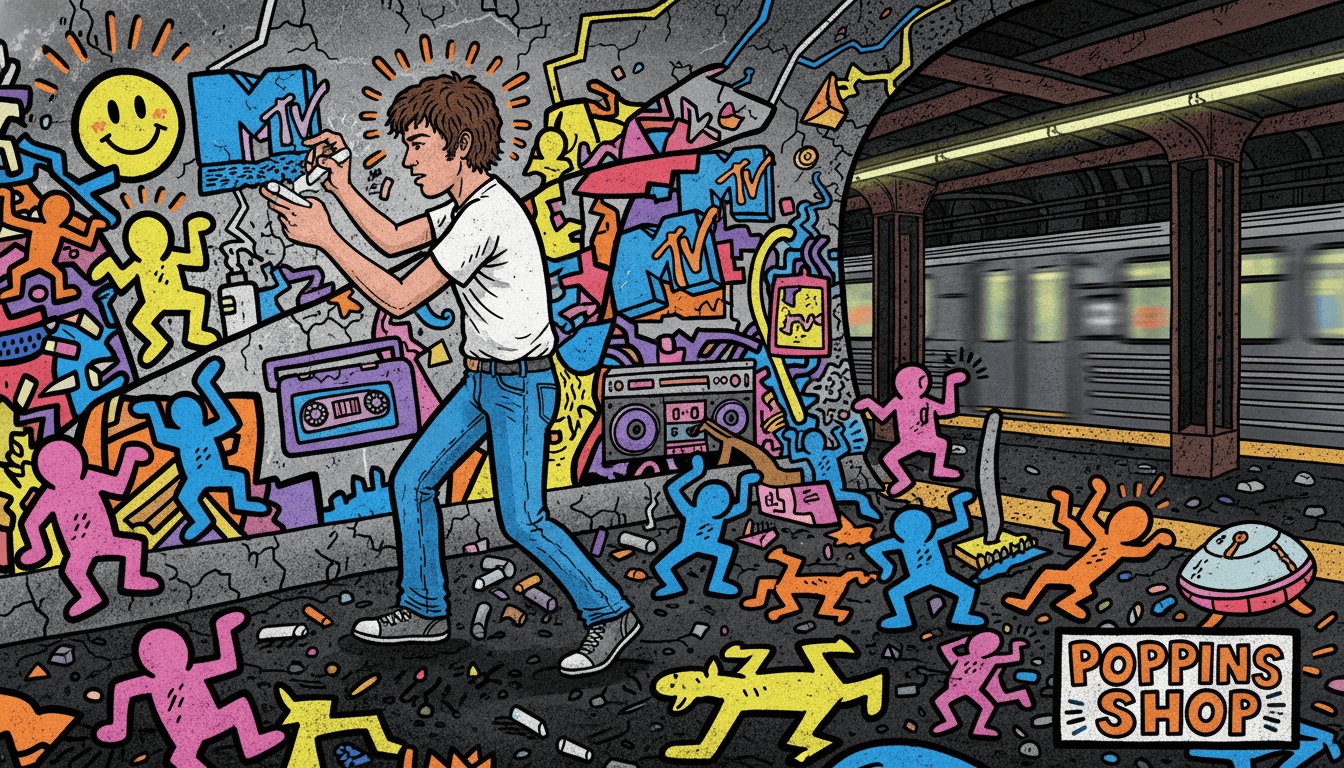
Imagine a young creator in a dark new york subway station during the early 1980s. He clutches a piece of white chalk, ready to turn a blank advertisement panel into a masterpiece. Commuters paused to watch as bold, rhythmic lines formed iconic figures that seemed to dance on the walls.
This moment marked the start of a journey that would change the art world forever. The legendary artist took the energy of the streets and infused it into every canvas. His work moved quickly from the underground tunnels to the most prestigious galleries across the globe.
Haring’s legacy lives on in the homes of collectors who value both street-art history and fine-art quality. To bring this heritage into your own home, view our archival-grade Keith Haring reproductions here.
Understanding the Keith Haring art history helps us see why these visuals remain so powerful today. He blended popular culture with high-end aesthetics, making his style a favorite for luxury interiors. His vibrant colors and meaningful symbols bring life to modern residential spaces.
For ten years, Poppins shop has acted as an authoritative Keith Haring atelier in Saigon. We specialize in museum-quality reproductions that honor his legacy. Collectors love his work because it offers both visual energy and a deep cultural conversation.
Key Takeaways
- The journey from subway stations to galleries redefined public accessibility to creative works.
- Bold lines and artificial colors transformed street-based techniques into high-end gallery pieces.
- The work provided poignant commentary on major social issues like health and equality.
- Democratic approaches ensured the visual language remains universally recognized across all cultures.
- Modern luxury interiors benefit from the timeless energy and bold impact of these iconic designs.
- Poppins shop provides expert, museum-quality reproductions for the contemporary home collector.
The Making of an Artist: Keith Haring’s Early Life and Influences
The foundation of keith haring’s artistic identity was built long before he reached the subways of Manhattan. Born in Pennsylvania, he spent his youth in Kutztown under the creative guidance of his father. This early interest in drawing allowed him to explore the basics of visual storytelling and character design.
From Kutztown Cartooning to Fine Art Aspirations
Childhood influences from Dr. Seuss and Walt Disney helped shape keith haring and his simplified style. These playful characters offered a form of expression that felt both accessible and direct to a wide audience. Even at a young age, he realized that images could bridge the gap between different types of people.
Haring soon realized that his life’s work needed to go beyond simple sketches or commercial advertisements. He briefly attended a professional school in Pittsburgh but quickly lost interest in graphic design. He felt a stronger calling toward authentic expression rather than selling products to the world.
Pittsburgh’s Art Scene and The Art Spirit Philosophy
While in Pittsburgh, he discovered Robert Henri’s book, The Art Spirit, which changed his perspective. This text taught him that art belongs to every human being, a belief that guided his entire career. He also found inspiration in the bold energy of Jackson Pollock and Jean Dubuffet.
His 1978 solo exhibition proved he was ready for a much larger stage. He began to view art as a powerful way to engage with the public. This democratic philosophy made him a unique artist who valued human connection over traditional gallery rules.
Arriving in New York City and the School of Visual Arts
In late 1978, he moved to new york city to find new creative opportunities. He enrolled in the school visual arts to expand his technical skills and meet other creators. This move placed him at the center of a thriving alternative art community.
While attending the school visual arts, he experimented with video, performance, and collage. He spent his nights working as a busboy, absorbing the energy of new york city nightlife. These diverse experiences helped him refine his vision for a new kind of public art.
Keith Haring Art History: The Legendary Subway Drawings Period 1980-1985
A box of white chalk changed the course of art history when Keith Haring stepped into the underground transit system. This era marked a radical shift in how creators interacted with the urban environment of New York.
The Discovery of Black Advertising Panels
In 1980, the artist noticed empty advertising panels that featured matte black paper throughout the subway system. He immediately realized these dark rectangles were the perfect canvases for his vision. He found the soft black paper allowed him to work quickly and cleanly.
Haring rushed to a card shop to buy his first box of chalk. He returned underground and began to draw with a spontaneous, democratic impulse. These empty panels provided a direct path to communicate with the city’s diverse ridership.
White Chalk on Black Paper: Creating a Visual Laboratory
Between 1980 and 1985, he produced hundreds of temporary drawings using rapid, rhythmic lines. This underground space functioned as a “laboratory” where he could experiment with form. On his most productive days, he created as many as 40 unique pieces in a single day.
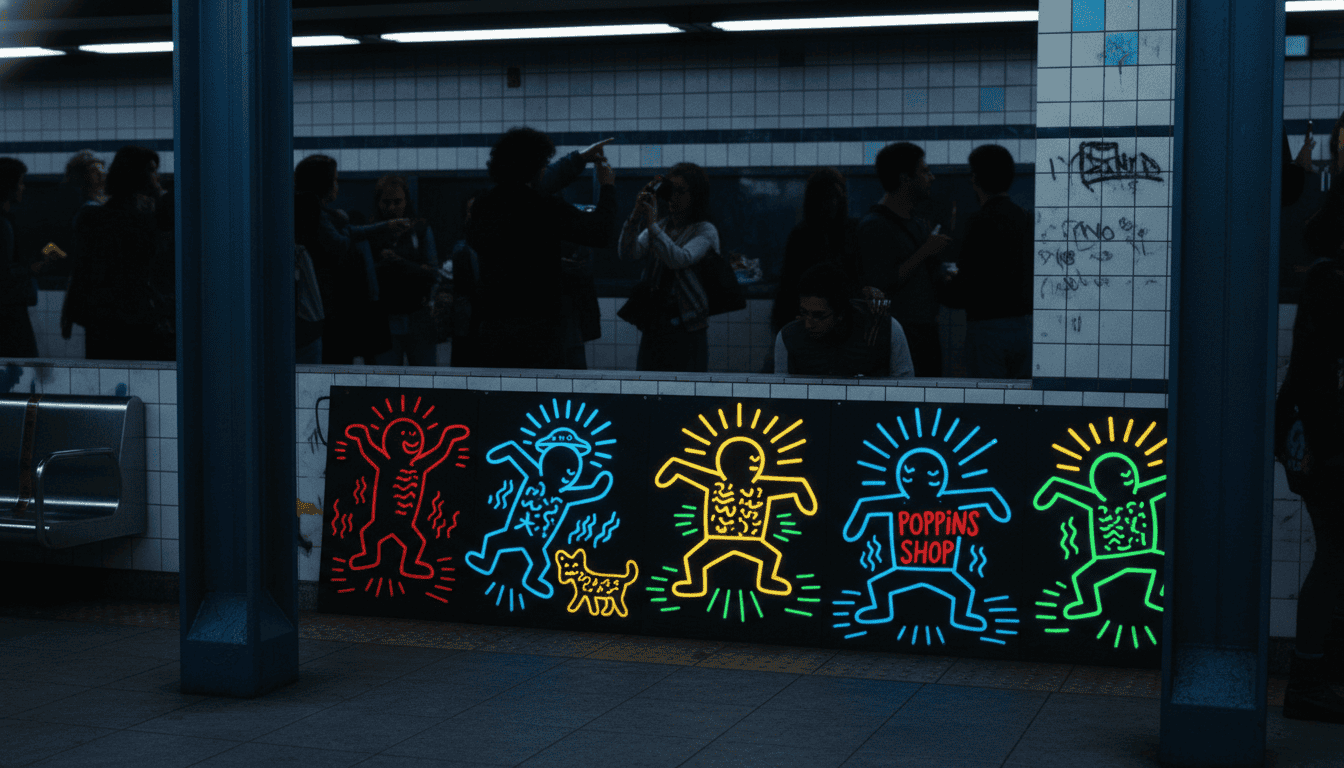
His constant presence in the transit system placed him at the center of the graffiti movement. However, his style remained distinct from traditional tags or work found on train cars. He used the subway to refine a visual vocabulary that millions of people could understand instantly.
Direct Public Engagement and the Democratic Art Experience
The drawings invited immediate reactions from people on their daily commutes. Many individuals stopped to ask, “what does it mean?” These encounters helped Keith Haring channel his stylistic choices based on real-time feedback from the public.
This approach transformed public art into a shared dialogue between the artist and the viewer. By bypassing the elite gallery system, he made sophisticated visual communication accessible to every New York resident. This period solidified his belief that art belongs to everyone, regardless of their background.
The subway years established several key legacy points:
- Accessibility: Bringing public art into the daily lives of working-class citizens.
- Engagement: Using the transit space to spark conversations among strangers.
- Innovation: Redefining graffiti as a sophisticated, symbolic medium.
- Visibility: Ensuring art reached people who never visited traditional museums.
Defining 80s Street Art: Haring’s Revolutionary Visual Language
The visual identity of the 1980s was largely shaped by a single artist’s hand moving across subway walls. Keith Haring emerged as the definitive voice of 80s street art by crafting a unique aesthetic. He built a revolutionary visual language using continuous lines and instantly recognizable images that reached people directly on the street.
The Power of Continuous Line and Bold Black Outlines
The artist relied on a single, unbroken line to create his famous figures. This signature style allowed for rapid execution, which was perfect for the fast-paced world of graffiti. He worked intuitively and let his hand move freely across various urban surfaces.
Haring’s thick black outlines drew inspiration from masters like Picasso and Pop Art icons. These strong boundaries made his work readable even from a long distance. He helped other artists see that street art could be a sophisticated form of communication rather than just a hobby.
Iconic Symbols: Radiant Babies, Barking Dogs, and Dancing Figures
Haring developed a unique vocabulary of images that functioned like a modern alphabet. The radiant baby became a famous symbol representing innocence and human potential. Meanwhile, his barking dogs often stood as a symbol of authority or aggression.
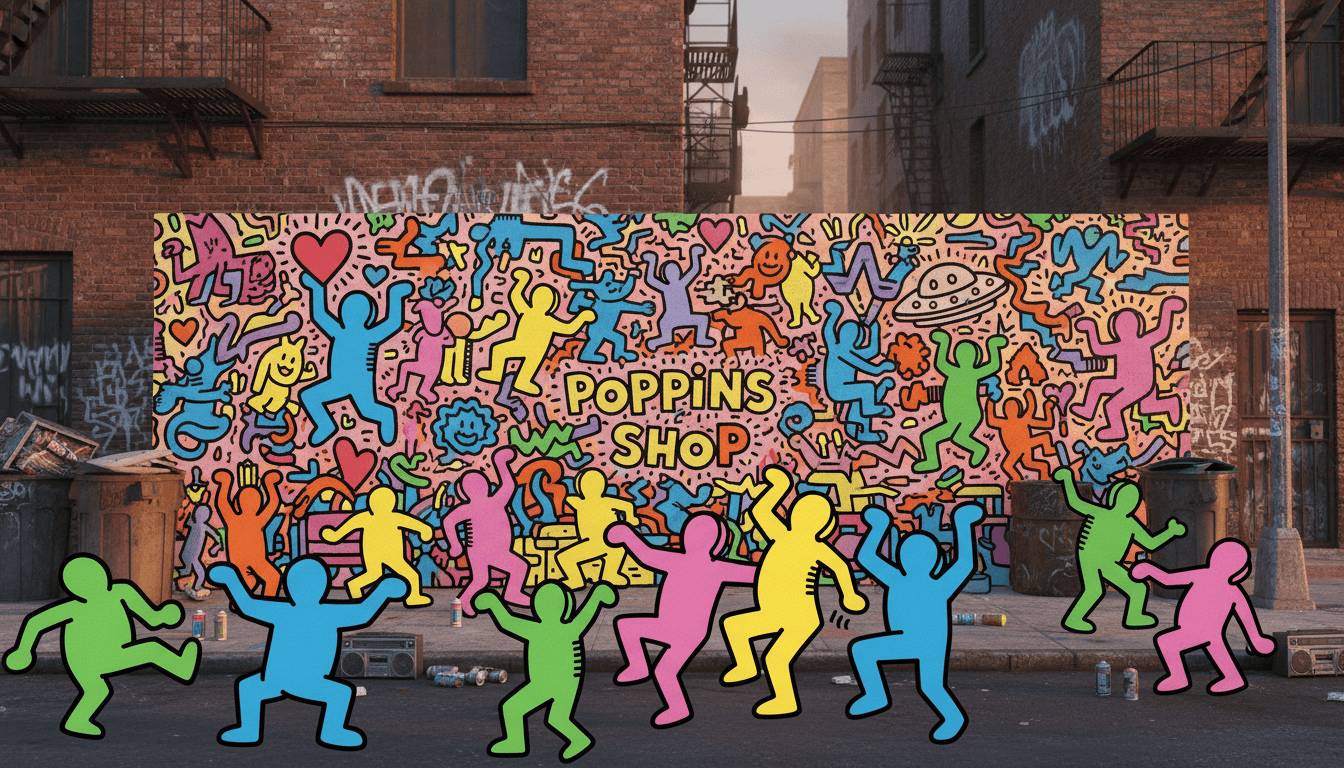
Each individual image was designed to be universally understood by everyone. Dancing figures expressed joy and liberation, cutting through complex social barriers. These recurring motifs turned his art into a shared language for the general public.
Limited Color Palette for Maximum Impact
The strategic use of limited color palettes helped his work stand out in busy urban settings. He often chose two or three vibrant hues against a sharp, contrasting background. This specific approach ensured every symbol commanded immediate attention from busy passersby.
Haring also added “energy lines” around his subjects to show movement and life. This visual form likely came from the impact of Hip Hop music and its heavy, vibrating beats. His clean style gave new life to figuration and deeply influenced many future graffiti artists.
Today, creators continue to use his methods to bridge the gap between museums and the public. His flat style and cartoon-like simplicity made his art accessible to a very diverse audience. This legacy remains a cornerstone of modern visual culture and image-making.
From Street to Gallery: The Transition to Fine Art Recognition
The shift from the underground subway system to prestigious white-walled spaces marked a seismic shift in Keith Haring’s career. He sought to maintain his democratic principles while navigating the elite circles of the global art world. This transition proved that public creativity could hold immense value in formal settings.
Haring’s rise allowed him to bridge the gap between popular culture and high-end aesthetics. By moving his vision into professional environments, he challenged how curators viewed urban expression. His success redefined the relationship between the street and the establishment.
1981 New York/New Wave Exhibition: The Career Turning Point
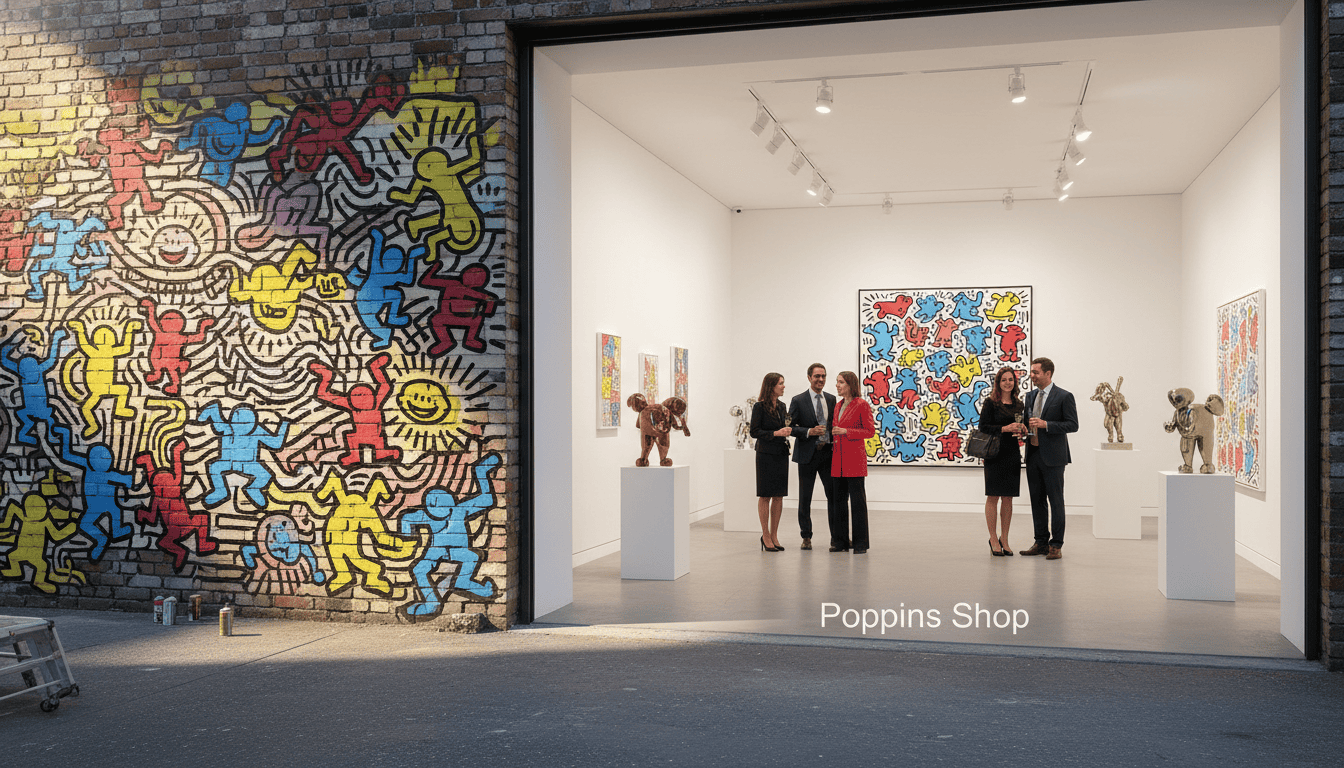
The real tipping point happened in 1981 at the New York/New Wave exhibition. Held at P.S. 1 in Queens, New York, this show featured over 100 emerging artists. Haring’s graffiti-inspired art quickly grabbed the attention of leading curators and museum directors.
His work featured massive drawings on black paper using white chalk. By covering walls and ceilings with vibrant imagery, he proved his style could dominate any space. This milestone showed that his subway-born aesthetic belonged in a professional gallery as much as a train station.
Tony Shafrazi Gallery 1982: The Soho Breakthrough
In 1982, Haring made his major Soho debut at the Tony Shafrazi Gallery. This solo exhibition became an instant sensation in the art world. Crowds flocked to see the work of a visionary who spoke a universal visual language.
While he gained fame, some conservative critics struggled with his commercial appeal. They often dismissed Keith Haring because his images appeared on items like T-shirts and bags. However, his ability to keep art accessible became his most enduring strength within the art world.
International Acclaim at Documenta 7 and Major Biennials
Global recognition followed shortly after his New York success. Keith Haring soon participated in Documenta 7 in Germany and the São Paulo Biennial in Brazil. These prestigious events solidified his status as one of the world‘s top contemporary creators.
| Exhibition Name | Year | Key Significance |
|---|---|---|
| New York/New Wave | 1981 | Breakthrough for urban artists |
| Documenta 7 | 1982 | Major European debut |
| Whitney Biennial | 1983 | Formal American institutional validation |
| São Paulo Biennial | 1983 | Expansion to South American markets |
His presence in the Whitney Biennial further validated his graffiti roots. He opened doors for future generations by making public art legitimate in the eyes of major institutions. Even with world-wide attention, he never forgot that art should remain open to everyone.
Andy Warhol and Keith Haring: Masters of the Pop Art Movement
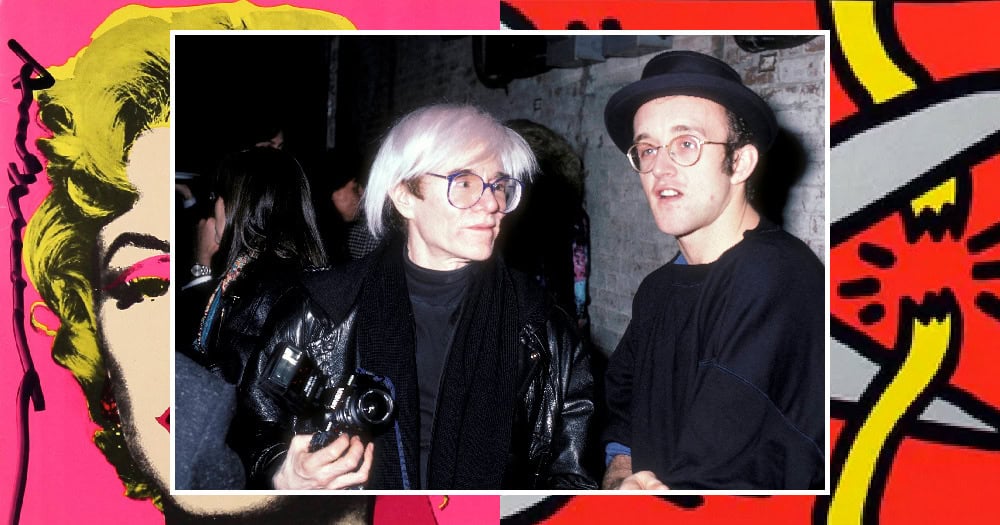
In the bustling New York of the 1980s, the bond between Andy Warhol and Keith Haring sparked a cultural revolution. This partnership became a cornerstone of the Pop Art movement, blending classic aesthetics with modern grit. Their friendship proved that high-level creativity could thrive outside of stuffy museums.
Haring viewed Warhol not just as a mentor, but as a pioneer who broke the rules of the gallery world. Together, they navigated a changing city that was hungry for fresh, bold ideas. This connection reshaped how the public consumed and understood modern creativity.
How Warhol Shaped Haring’s Approach to Art and Commerce
Haring found deep inspiration in Warhol’s unique fusion of art and life. He watched how Warhol navigated the commercial world and decided to devote his career to creating truly public works. This influence helped him see that creativity should be accessible to everyone, not just elite collectors.
Warhol’s success with branding taught Haring that commercial success did not have to cheapen his vision. By embracing commerce, he could fund larger projects that served the community. This strategic mindset allowed him to maintain his integrity while reaching a global audience.
Connecting High Art to Street Culture
Keith Haring took Warhol’s lessons and applied them to the vibrant street culture of the era. He merged fine art concepts with punk-rock posters, kids’ clothing, and the local music scene. By doing this, he successfully created a powerful counter-culture movement that resonated with everyday people.
He refused to limit his drawings to expensive canvases or private showings. Instead, he used the city itself as a playground for his imagination. This approach brought sophisticated concepts to people who had never stepped foot in a gallery before.
The Andy Mouse Series: Homage and Innovation
The Andy Mouse series serves as a brilliant homage to Warhol’s lasting legacy. In this work, Haring combined Warhol’s iconic imagery with his own bold, linear style. These artists managed to bridge the gap between high-end galleries and contemporary street sensibilities through these playful characters.
The character featured a Mickey Mouse-like figure wearing Warhol’s signature wig and glasses. It symbolized the intersection of fame, cartoons, and fine craftsmanship. This series remains one of the most recognizable examples of their creative synergy.
Club 57, Grace Jones, and the Downtown Art Scene
Haring was a central figure in the downtown New York art scene. He frequently collaborated at Club 57, a performance space where different artists met to share ideas. He designed murals and organized events that defined the energy of that specific scene.
His work with Grace Jones remains one of his most famous efforts. Warhol orchestrated a photoshoot where Keith Haring used Jones’s body as a living canvas. This collaboration showed how popular imagery could merge with fashion to change the art scene forever.
| Collaboration Element | Warhol’s Contribution | Haring’s Adaptation |
|---|---|---|
| Public Accessibility | Mass production techniques | Street murals and subways |
| Celebrity Culture | Portraiture and interviews | Body painting and performance |
| Commercial Art | Brand advertisements | Pop Shop and merchandise |
Art as a Weapon for Change: Haring’s Social Activism
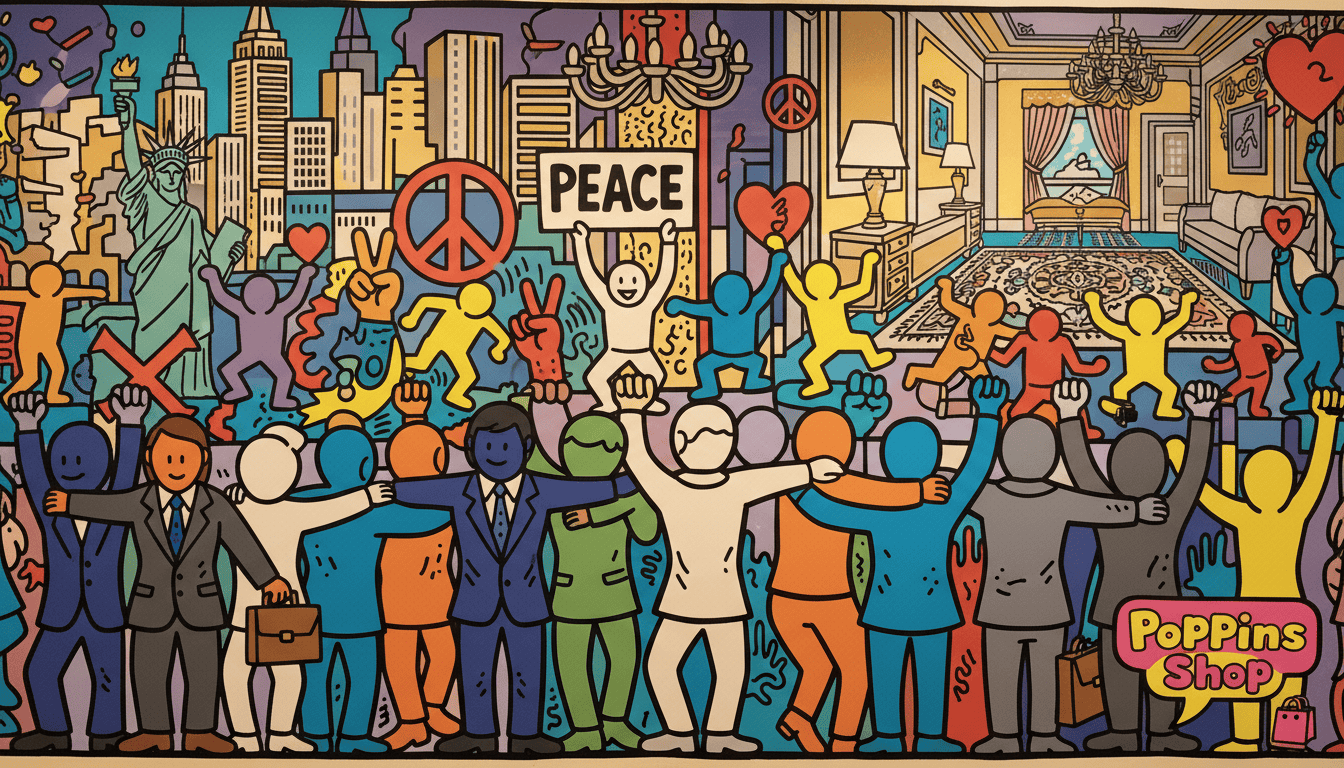
Beyond the gallery walls, Keith Haring transformed his vibrant style into a powerful tool for global advocacy. He proved that public art could address heavy topics while remaining visually accessible. By using bright colors and energetic lines, he forced people to look at the difficult social issues of the 1980s.
Haring devoted a massive portion of his career to charitable causes. Between 1982 and 1989, he completed more than 50 murals across dozens of international cities. Many of these works appeared in hospitals, orphanages, and community centers to inspire hope and raise awareness for the vulnerable.
Silence = Death: The AIDS Crisis and ACT UP Movement
Haring’s most personal battle involved the AIDS epidemic. In 1989, he created the “Silence = Death” image, which repurposed the pink triangle. This symbol, once used in Nazi camps, became a rallying cry for the LGBTQ+ community to speak up and fight for a cure.
As an active member of ACT UP, Haring designed posters for major protests, including their first demonstration on Wall Street. After his own aids diagnosis in 1988, he intensified his work to raise awareness about the disease. He founded the Keith Haring Foundation to ensure that funding for aids research continued long after his passing.
Crack is Wack: The Iconic Harlem Mural
In 1986, Haring painted the “Crack is Wack” mural on a handball court in Harlem. Located near FDR Drive, the piece was highly visible to thousands of commuters. It served as a direct warning against the drug addiction issues plaguing urban neighborhoods at the time.
The mural featured haunting symbols like skulls and burning money to show how addiction destroys lives. Haring didn’t wait for permission to paint it; he felt an urgent need to use his art to protect his community. This bold act of public art eventually gained official protection from the city.
Free South Africa: Fighting Apartheid Through Visual Protest
Haring also focused on international social issues, specifically the fight against apartheid. In his “Free South Africa” posters, he painted a black figure much larger than the white figure. This scaling exposed the irony of a small minority suppressing the majority population.
These posters helped raise awareness globally and supported the movement that led to Nelson Mandela’s release. Haring also created work for anti-nuclear rallies, featuring figures standing before mushroom clouds. He continued to use his platform to encourage people to stand up against nuclear proliferation and systemic injustice through his various murals worldwide.
The Pop Shop Revolution: Democratizing Art for Mass Audiences
In 1986, Keith Haring took a bold step by moving his creative energy from gallery walls to retail shelves. He wanted to ensure that his work remained accessible to everyone, not just wealthy collectors. This move helped break down the barriers between high culture and the general public.
Opening the Soho Pop Shop in 1986
In April 1986, the first pop shop opened its doors in the heart of Soho. The interior was a masterpiece itself, featuring an abstract black-on-white mural that covered every inch of the space. This unique shop sold affordable items featuring his famous images, including:
- Screen-printed T-shirts and sweatshirts
- Colorful posters and postcards
- Fun toys, buttons, and magnets
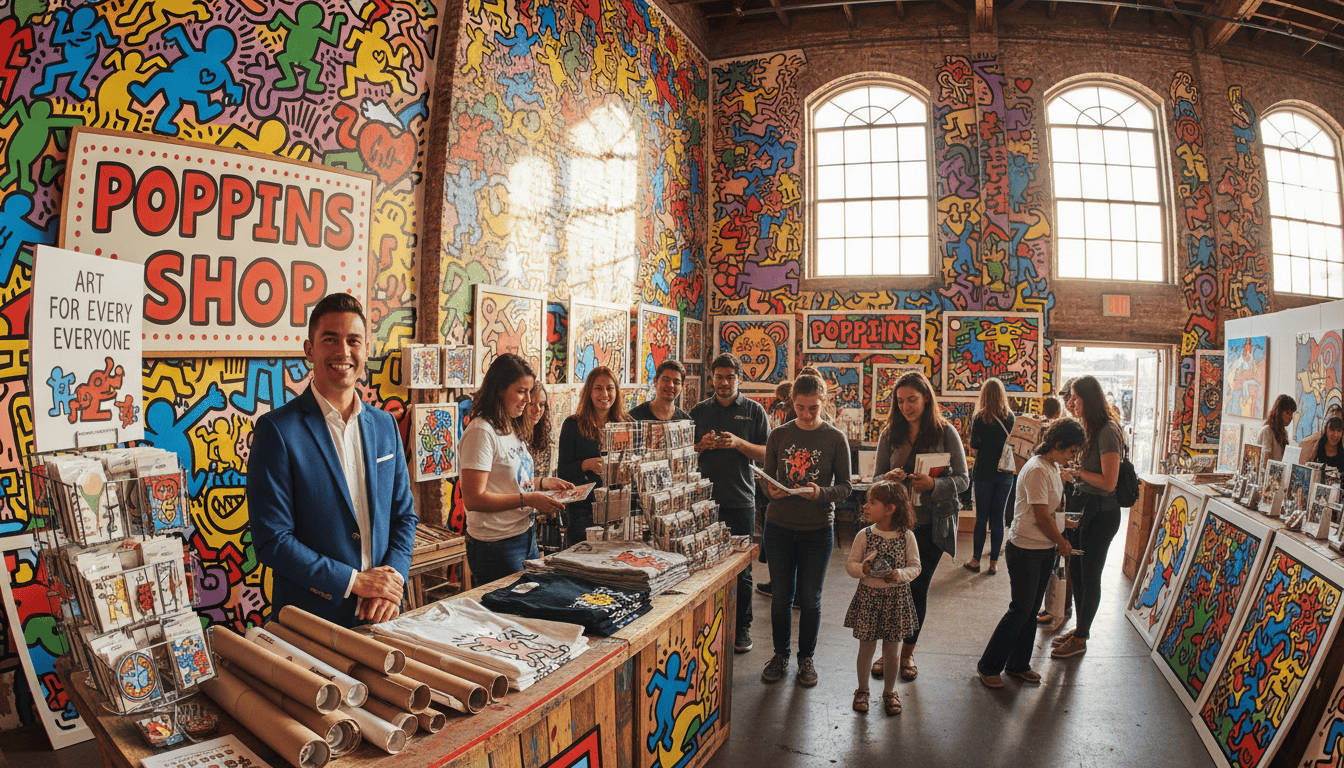
Haring viewed this venture as a direct extension of his creative process. By offering products at a low cost, he provided more people the chance to own a piece of his vision. It was a visual laboratory where his iconic style met the everyday consumer in an immersive environment.
Art World Criticism and Haring’s Response
Despite its popularity, the art world establishment often criticized the move as being too commercial. Many critics felt that selling merchandise devalued the legitimacy of fine art. Haring remained undeterred, believing these critics were simply insulted because he bypassed their traditional gatekeepers.
He famously defended his choices by stating that “the use of commercial projects has enabled me to reach millions.” He believed the true purpose of his art was to communicate and contribute to the global culture. His success proved that a creator could thrive by going directly to his audience.
Commercial Collaborations: Swatch, Absolut Vodka, and Madonna
His influence soon expanded into major brand partnerships across the world. He designed vibrant watches for Swatch and created memorable advertising campaigns for Absolut Vodka. These projects allowed him to bring his rhythmic lines into the homes of even more fans.
He also worked with Madonna, further blending the lines between music and visual expression. Mentors like Andy Warhol supported the pop shop concept. They understood how this retail shop model could change the art world forever. Ultimately, the pop shop became a lasting symbol of art for the masses.
Enduring Influence: Keith Haring’s Legacy in Contemporary Art
Even decades after his passing, the legendary energy of Keith Haring remains a cornerstone for the evolution of urban expression. He developed a visual language that speaks to everyone through bold, rhythmic lines. His art addresses deep themes like birth, death, and love with a very direct message. Today, many artists still draw massive power from his creative history and democratic philosophy.
Impact on KAWS, Banksy, and Today’s Street Artists
Modern creators often look to Haring’s work for guidance on how to blend pop culture with fine art. For example, KAWS cites Haring as a major inspiration for his own career. KAWS uses cartoon imagery and bright colors that remind many fans of the 1980s New York scene. These artists prove that simple shapes can carry heavy emotional weight in a gallery setting.
Even Banksy, one of the most famous names in graffiti, pays tribute to Haring’s symbolic vocabulary. His “Choose Your Weapon” series features the iconic barking dog, showing how street art stays alive across generations. Haring opened the field of possibility for self-taught artists to find success. He showed that “cartoony” elements could be appreciated as sophisticated masterpieces by the global public.
| Artist Name Inspiration Style Cultural Link | ||
| KAWS | Bold Outlines | Global Commercial Success |
| Banksy | Barking Dog Symbol | Public Political Satire |
| Shepard Fairey | Graphic Directness | Social Justice Activism |
Museum Collections and Retrospectives Worldwide
Haring earned massive attention during his brief but intense career in the 1980s. He participated in over 100 solo and group exhibitions before his untimely death. Today, his works reside in the permanent collections of major museums around the world. These institutions recognize that graffiti art holds serious historical weight and artistic value.
International retrospectives continue to attract huge crowds who want to see his original chalk drawings. Museums like the Whitney and the Musee d’Art Moderne celebrate his contribution to history. His ability to attract a wide audience ensures the staying power of his visual language. Haring remains one of the most exhibited artists of the late 20th century.
The Art Market: 37% Annual Growth and Investment Appeal
The art world views Haring as a blue-chip investment with incredible long-term potential. His prints show an average annual growth rate of 37%, making them a top choice for collectors. This steady rise makes his works a smart choice for anyone looking to invest in history. Collectors appreciate the universal appeal of his unique graffiti style and vibrant aesthetic.
Strong demand for his works continues to drive prices higher at major auction houses. His pieces are not just decorations; they are financial assets that hold their value over time. Keith Haring proved that popular, accessible art could thrive in high-stakes markets. His legacy remains a gold standard for contemporary art investment today.
The Keith Haring Foundation’s Continuing Mission
The foundation carries his mission forward by protecting his artistic integrity. It provides vital funding to AIDS organizations and various children’s charities globally. The foundation also manages how his famous art is used in modern fashion and home decor. This ensures that Keith Haring remains a household name for a brand-new generation.
For example, his graffiti art still appears on streetwear and in massive public murals. This work ensures his vision continues to benefit the world through education and philanthropy. By supporting diverse graffiti projects, the foundation honors his dream of making art available to everyone. His spirit lives on through every vibrant line and radiant figure they share.
Why Haring Dominates Contemporary Wall Art Trends in Luxury Interiors
Luxury interiors today are increasingly defined by bold, graphic elements that Haring pioneered decades ago. These contemporary wall art trends prioritize visual energy and historical depth. Collectors and designers use his art to transform sterile rooms into vibrant, living environments.
Timeless Energy Meets Modern Minimalist Design
Haring’s aesthetic relies on the power of the continuous line. This minimalist style uses a simplified form to create high visual impact. It complements mid-century modern and industrial designs without cluttering the space.
The flat, two-dimensional quality of his drawings allows them to sit comfortably on various textures. Whether placed on exposed brick or polished marble, the kinetic energy of the work remains undeniable. Designers love how these pieces provide a clean yet powerful focal point.
Versatility Across Residential and Commercial Luxury Spaces
The kinetic energy of his work fits perfectly in diverse luxury spaces. From sleek residential bedrooms to vibrant corporate lobbies, his dancing figures add life. A high-end hotel lounge is a great example of where his creativity thrives.
These commercial spaces benefit from the universal appeal of his figures. The art bridges the gap between professional discipline and creative freedom. It signals that a brand is both sophisticated and culturally aware.
Cultural Significance and Conversation-Starting Power
His iconic images, like the radiant baby, act as universal symbols. This art does more than look good; it tells a story of community and social awareness. Guests often recognize these figures, making each piece a perfect example of a conversation starter.
Owning these pieces shows an appreciation for social consciousness. The art invites viewers to discuss history, activism, and the human spirit. It elevates a home from a simple dwelling to a gallery of meaningful expression.
Premium Keith Haring Reproduction: Bringing Art History Home
Poppins shop is a Saigon-based atelier with a decade of expertise in fine art. We create museum-quality reproductions of keith haring pieces using premium materials. Our process captures the bold lines and vibrant colors essential to his legacy.
We help people bring a legendary keith haring vision into their own private collections. Each piece serves as a sophisticated design element and a cultural statement. Own a piece of history with a premium Keith Haring reproduction.
Keith Haring art history in short
Keith Haring’s extraordinary rise during the 1980s transformed the art world by proving that bold, simple symbols could carry profound social weight. His journey began with temporary drawings in the new york city subway system. These early works eventually led to international gallery recognition and a permanent place in luxury interior design.
Haring believed that visual communication should belong to everyone, not just an elite few. He bridged the gap between high art and street culture through legendary collaborations. He worked with famous artists and performers like Andy Warhol, Madonna, and Grace Jones to break down social barriers.
The world lost this visionary to AIDS-related complications on February 16, 1990. Although he passed away at only 31, his influence remains immense. Today, major museum collections and modern artists continue to celebrate his unique style and fearless activism.
A massive memorial service at the Cathedral of St. John the Divine honored his life in york city with over 1,000 attendees. His transition from urban graffiti to the fine gallery scene remains a significant shift in history. Poppins shop proudly continues his democratic mission by offering premium reproductions for your home.
We help bring museum-quality imagery into residential and commercial spaces. Collectors choose keith haring because his vibrant lines offer both aesthetic impact and cultural significance. He proved that graffiti could evolve into a sophisticated investment for any modern collector.
His legacy in new york continues to inspire as his universal symbols dominate contemporary design trends today. Understanding this history enhances our appreciation for why his bold lines continue to captivate audiences worldwide. His work remains the ideal choice for those seeking timeless appeal and historical depth.
Art That Breathes Life Into Your Walls
At Poppins Shop, we believe your home should be a reflection of your unique perspective. Whether you’re drawn to the energetic lines of Keith Haring or the deep textures of a hand-painted canvas, our pieces are crafted in our artisan studio using museum-grade materials designed to last a lifetime. Experience the perfect blend of gallery-quality artistry and accessible luxury, delivered with care from our studio to your doorstep.
FAQ
Where did the creator develop his early style in New York City?
What was the value of the white chalk drawings during the 1980s?
How did the activist help raise awareness for the AIDS crisis?
Why did the artist open a retail shop in Soho?
How does the history of Keith Haring influence modern design?
