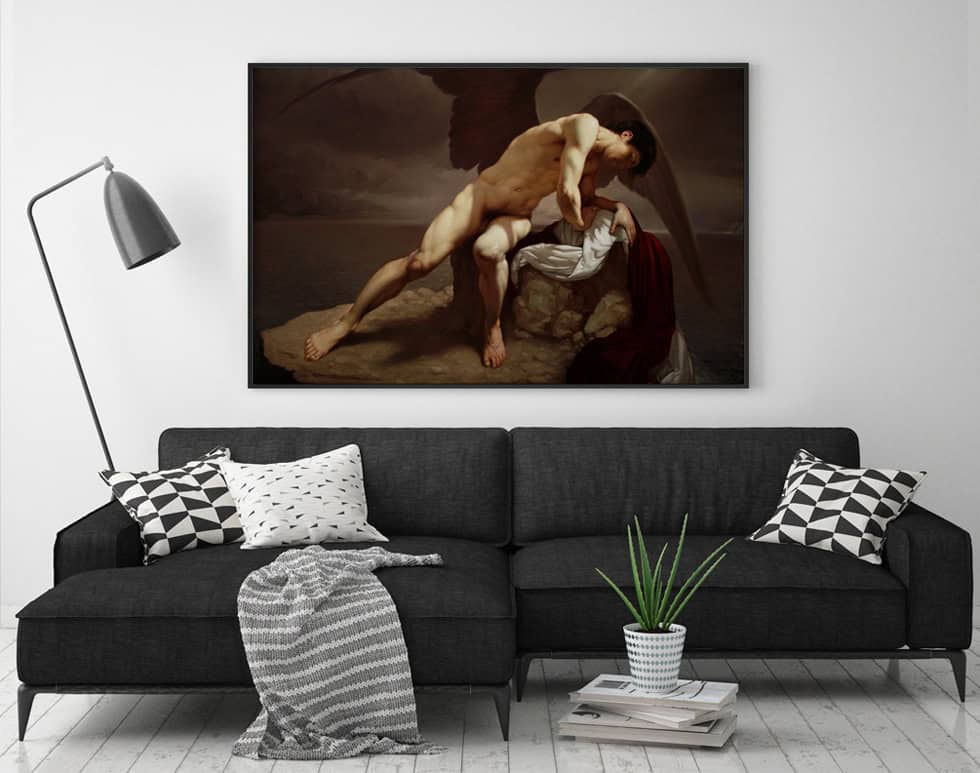
Have you ever felt a painting staring back at you with the weight of history and the logic of a dream? We invite you into a space where dramatic intensity meets subconscious vision. Contemporary baroque art style captures raw emotion while speaking to our modern minds. Explore the Roberto Ferri Collection at Poppins Shop.
It is a unique movement that rebels against the flat digital images of today. In our Saigon atelier, we see how talented artists blend chiaroscuro with the haunting nature of Roberto Ferri surrealism. These pieces are more than decor—they are portals that transform your home.
Across the world, many artists now seek a visceral connection to the soul. We take pride in honoring the technical skill of the old masters to ensure this baroque art thrives. By combining classical power with modern psychology, we create meaningful legacy pieces for your collection.
True beauty demands our attention and rewards our deep contemplation. Our mission is to bring this museum-quality spirit into your everyday life. We believe that every wall deserves a story that skillful hands tell with passion and grace.
Key Takeaways
- The striking fusion of seventeenth-century drama and modern surrealist imagination.
- A bold rebellion against digital flatness through visceral, technical mastery.
- Artistic inspiration drawn from icons like Caravaggio and Roberto Ferri.
- Handcrafted precision from our dedicated artisans in our Saigon atelier.
- How these works transform your home into a space for profound contemplation.
- An exploration of identity and power within a classical visual language.
The Resurrection of Baroque: Where Historical Mastery Meets Modern Consciousness
The resurrection we witness today draws its strength from the original baroque era, a time of immense cultural transformation. We look back at the 17th century to see a world gripped by religious and political upheaval. During this period, art became a powerful and necessary tool for the soul.
The Catholic Church weaponized opulence to maintain its spiritual authority against rising austerity. Artists didn’t just paint; they created visceral experiences to overwhelm rational thought. They celebrated suffering and ecstasy through gilded excess to evoke deep compassion in every viewer.
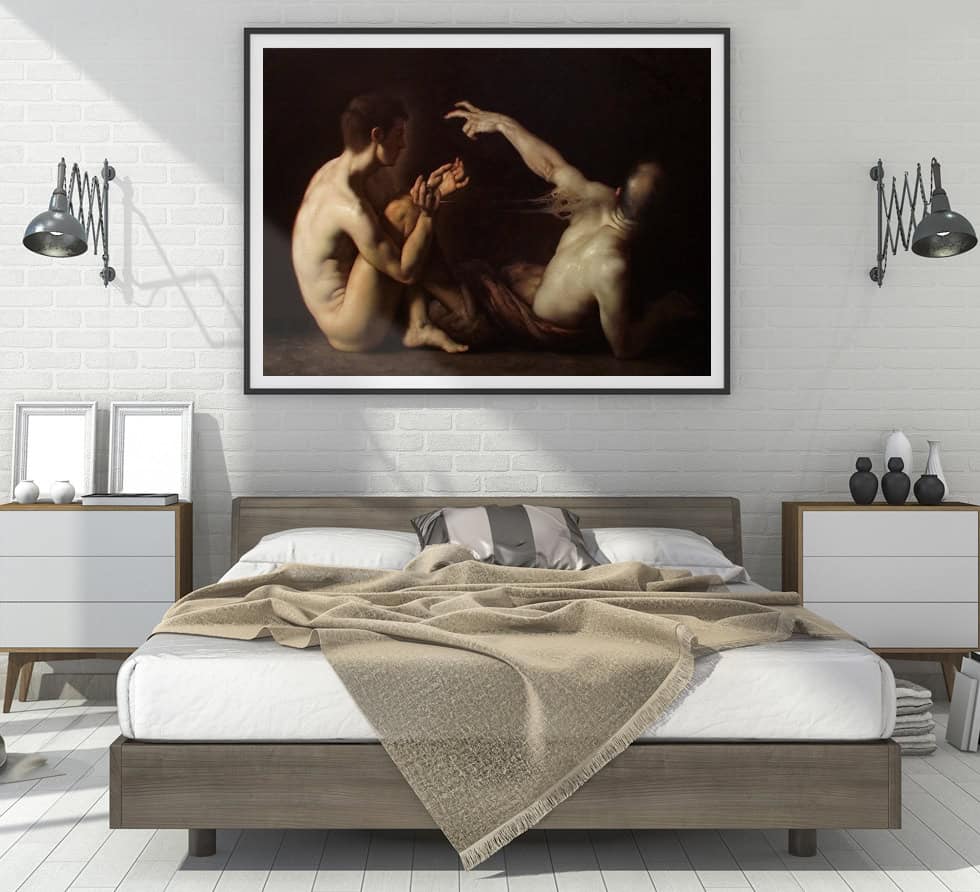
For a while, modern art dismissed this style as a manipulative spectacle. However, by the 1960s, it was rehabilitated in art history as a vital expression of human emotion. We believe this era understood that deep feelings bypass the intellect to reach the heart directly.
In our current century, we find ourselves saturated with digital noise. This makes the techniques of the baroque period more relevant than ever. By embracing these classical skills, we infuse modern life with a sense of wonder and psychological depth.
This unique movement proves that certain aesthetic truths transcend their original context. It is not just about imitating the past. It is about evolving it for the modern mind to explore identity and mortality.
We see this revival as a validation of our belief that profound truths require a profound visual language. Sometimes the most radical path forward involves reaching back to when art prioritized the soul over the concept. This journey helps us connect with our own subconscious and the hidden corners of the human experience.
| Aesthetic Principle | Historical Origin | Modern Application |
|---|---|---|
| Dramatic Contrast | Religious Propaganda | Psychological Depth |
| Anatomical Precision | Physical Suffering | Identity and Form |
| Spatial Immersion | Divine Authority | Personal Reflection |
- Emotional Intensity: Using shadow and light to create a theatrical experience.
- Technical Mastery: A commitment to anatomical accuracy that builds trust with the viewer.
- Symbolic Layers: Infusing classical figures with modern questions about the subconscious.
What Defines Contemporary Baroque Art in the 21st Century
What truly distinguishes the modern revival of the baroque style is a unique marriage between historical mastery and the complexities of our current subconscious. We find ourselves at a fascinating crossroads where historical beauty meets modern consciousness. This movement is a living tradition that fuses classical elements with the dramatic urgency of our own era.
To understand what makes this movement so powerful today, we should look at its core pillars:
- Technical perfection that honors the methods of the old masters.
- A surrealist vision that explores the depths of the human mind.
- Deep psychological complexity woven into every brushstroke.
Anatomical Precision as the Foundation of Credibility
To make modern classical paintings feel authentic, the artist must first master the human form. We believe that anatomical precision acts as the essential foundation for any grand artistic vision. If the curve of a muscle or the weight of a bone feels false, the viewer’s trust is broken immediately.
Technical mastery allows the artist to render the body with such accuracy that it feels vibrantly alive. This level of skill ensures that any leap into fantasy feels like an intentional choice rather than a technical mistake. You can see this dedication in the way every limb and gesture carries a sense of weight, much like the disegno of the Renaissance. The magic of the painting disappears without this commitment to truth.
Dreamlike Imagery Layered with Classical Technique
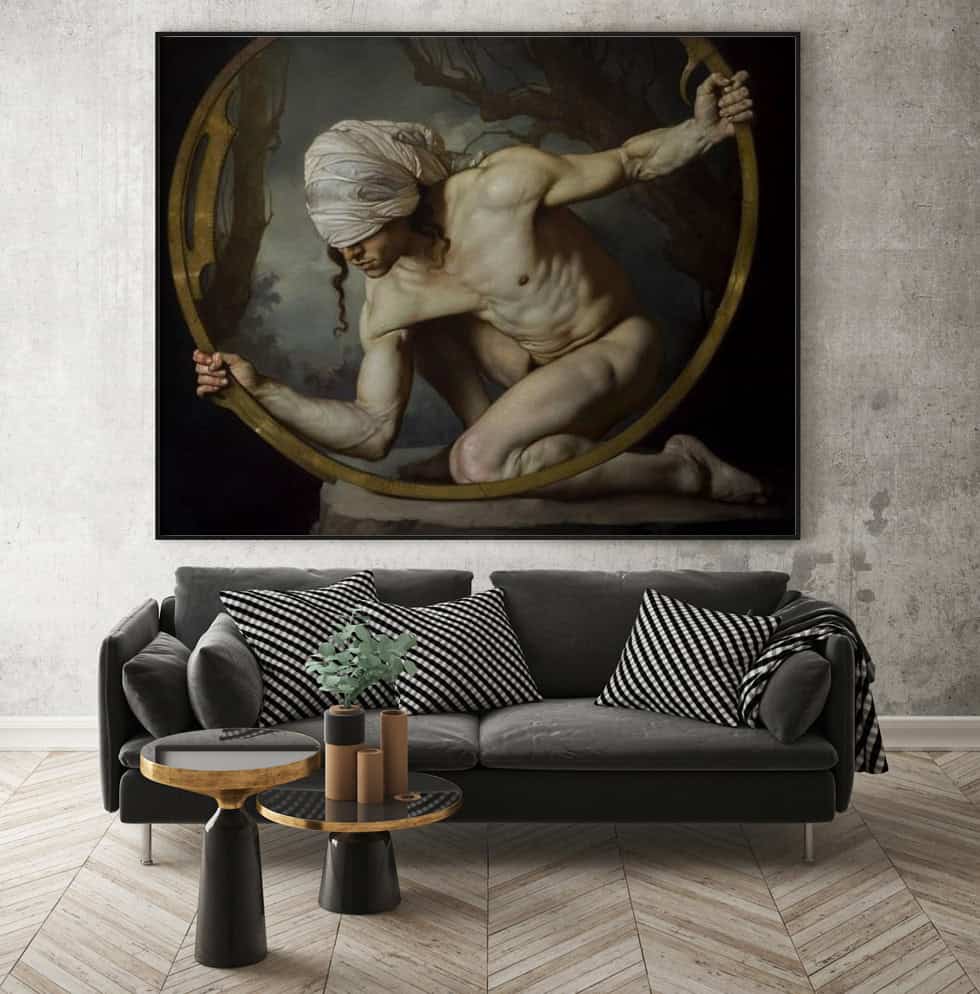
Once the physical world is mastered, the artist can weave in complex dreamlike imagery. In this space, you might witness figures suspended in a dark and intricate composition. These images often feature impossible perspectives or objects that float in mid-air to challenge our reality.
The light in these works does more than just illuminate a room; it acts as a guide to the internal state of the figure. Harsh beams might expose a moment of deep vulnerability, while soft glows suggest a sense of transcendence. Through this expressive art, the canvas becomes a window into a subconscious world that Caravaggio could only imagine.
Symbolism and Psychological Depth in Modern Classical Paintings
These paintings serve as a bridge between the physical material and the human soul. Modern symbolism uses the visual language of the past, like the vanitas skull, to speak about our current anxieties. A simple piece of draped fabric might represent a hidden secret or a private psychological state.
We see the subject of each work as a mirror reflecting our own interior lives. By using ancient forms and various styles, artists create what philosopher Walter Benjamin called “dialectical images.” This act of painting ensures that contemporary baroque art remains a visceral experience that captures the mystery of existence.
Roberto Ferri Surrealism: The Quintessential Voice of Neo-Baroque
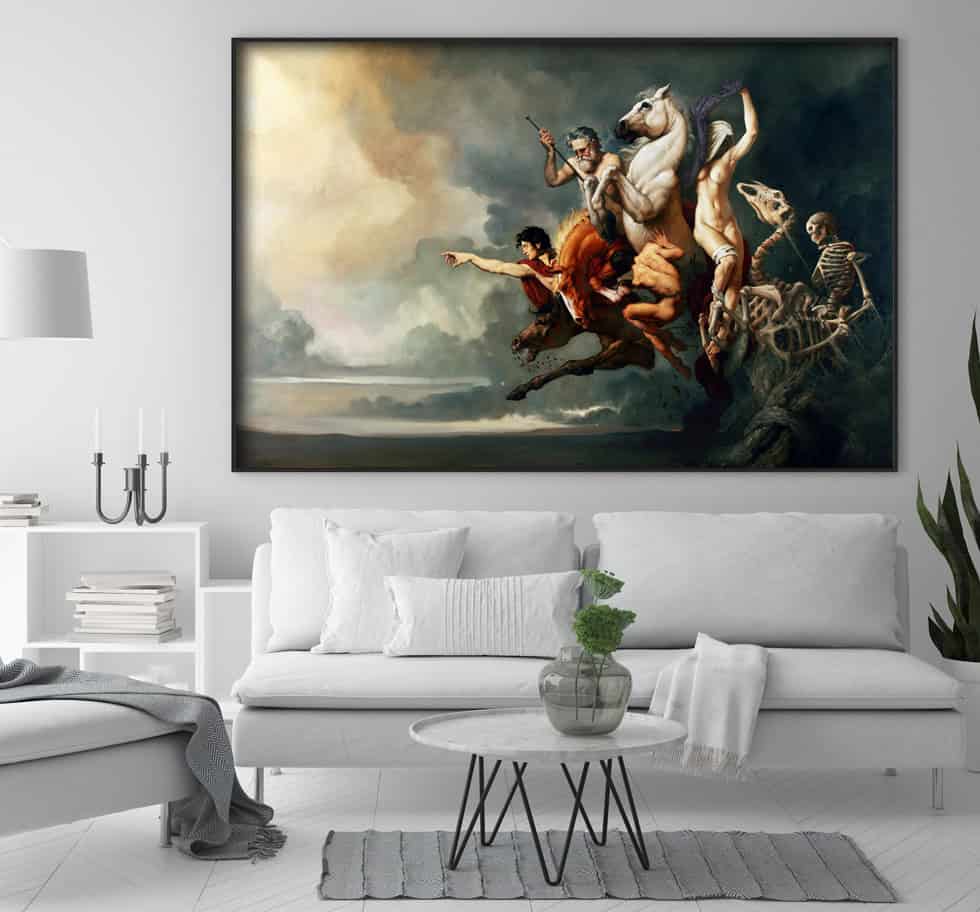
The resurgence of baroque art finds its most powerful champion in Roberto Ferri, a modern master whose paintings bridge the gap between historical skill and dreamlike mystery. Among contemporary artists resurrecting this style, Ferri stands out as a unique voice. He makes Caravaggio’s dramatic vision speak clearly to our postmodern world.
His reverent approach to the canvas captures the soul of the past while looking firmly at the future. We believe his work represents a rare moment where craftsmanship and imagination meet perfectly. Every piece he creates offers an invitation to explore the depths of human emotion.
Ferri’s Caravaggesque Vision Through a Surrealist Lens
Ferri’s genius lies in his Caravaggesque foundation and his focus on the human body. He renders every muscle with the same anatomical precision that once shocked seventeenth-century Rome. Every shadow falls with optical accuracy because he paints directly from life studies.
However, he moves beyond classical boundaries by adding surreal elements to his Roberto Ferri surrealism. You might see floating figures defying gravity or strange objects emerging from the deep darkness. These works act as psychological portraits of the human mind.
This contemplative layering transforms a simple figure into a complex story. It challenges the artist to maintain realism while depicting the impossible. The result is a hauntingly beautiful image that stays with you long after you look away.
Why Ferri’s Figurative Art Commands Attention in Modern Homes
In modern living spaces, these figurative art prints do more than just fill a wall. They command attention through a rare blend of beauty and intensity. This hybrid nature makes the piece a perfect fit for today‘s sophisticated collector.
His style is technically masterful enough to please any classically trained eye. Yet, it remains conceptually complex enough to keep you thinking. This balance ensures that his art anchors any fine art collection with authority and grace.
Choosing such a bold piece shows an appreciation for the artist as a true craftsman. It signals that you value the “soul” of a piece over mass-produced decor. These works bring a sense of museum-quality weight to a private domestic setting.
The Intellectual Appeal: Conversation Starter Meets Fine Art Collection Centerpiece
An artist like Ferri creates images that refuse to fit into one simple category. They are realistic yet impossible, making them incredible conversation starters. Viewers often find themselves returning to the canvas to find new layers of meaning.
We understand that capturing this complex subject matter requires a special touch. In our Saigon studio, we focus on reproducing his vision with obsessive care and sincerity. We use advanced systems to ensure the form and spirit of the art reach your home perfectly.
No matter your decor, a Ferri piece brings a sense of timeless legacy to your space. It serves as a philosophical statement about how art can bridge centuries. By marrying opposites, he transforms your environment into a contemplative gallery for the life of the mind.
The Technical Alchemy: Oil Painting Techniques That Define the Movement
Beneath every modern masterpiece lies a complex language of oil painting techniques born during the baroque period. In the 17th century, technical standards reached incredible heights through highly specialized painters. These masters often focused on specific genres, from deep portraits to dramatic history painting. We believe that honoring this tradition is the only way to create art that truly breathes with a soul of its own, and understanding Giclée vs. Hand-Painted Ferri Pieces is primordial for it.
The Dutch Golden Age established a repertoire of subjects that still guide us today. It requires a deep understanding of how light interacts with each pigmented material to create a sense of life. By looking back at the work of Rembrandt or Vermeer, we find the blueprints for modern excellence. This historical foundation allows us to bring a sense of permanence to a world that often feels fleeting.
Mastering Chiaroscuro in Contemporary Practice
In our modern practice, we recognize that shadow is never just a dark void. Instead, it is a presence of subtle color and deep emotion. Chiaroscuro serves as the signature of the neo-baroque movement. It creates a dramatic interplay of light shadow that gives compositions their three-dimensional power and psychological weight.
This technique transforms a flat canvas into a portal of depth. It demands an instinctive understanding that transition zones require infinite gradation. Hard edges can easily destroy the illusion of reality. By mastering this balance, artists invite you into a scene that feels both intimate and grand.
The Science Behind Anatomical Precision in Figurative Art Prints
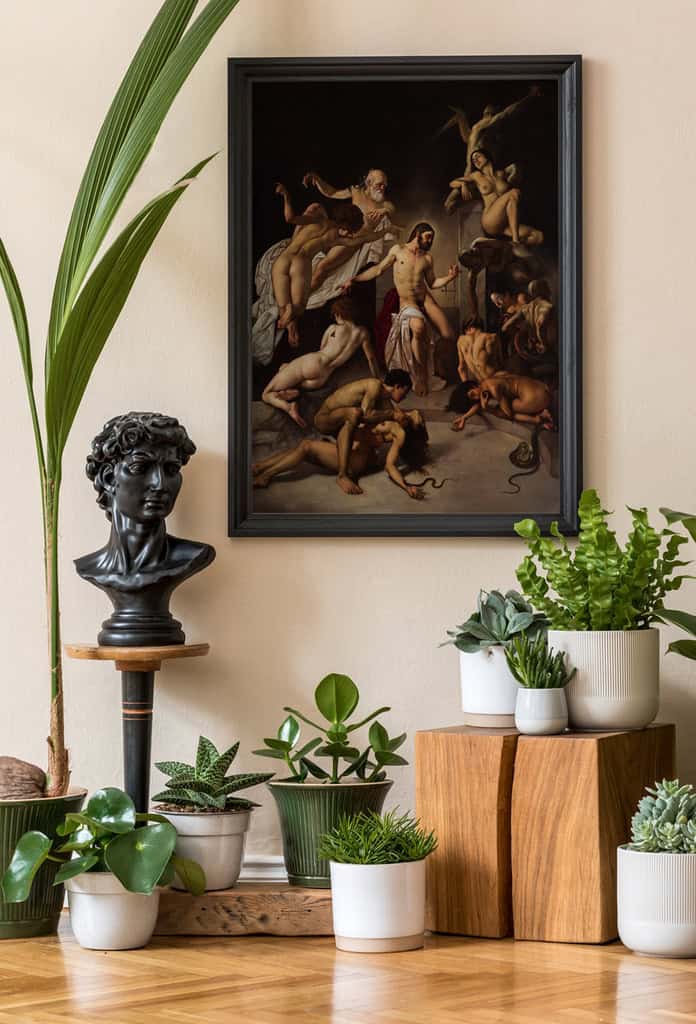
Creating believable art starts with an obsessive study of the human body. Anatomical precision in our figurative art prints begins long before the first stroke of a brush. We study skeletal structures and how muscles attach to the bone under the skin. This scientific approach ensures that every figure maintains its biological credibility.
When you look at a figure, you see the reality of how skin stretches and folds. You notice how the light shadow reveals the hidden strength of a limb or the softness of a torso. This foundational knowledge allows surrealist departures to function because the viewer first trusts the underlying reality. It is the marriage of painting skill and medical observation.
Layering, Glazing, and the Patience of Classical Methods
The visual richness of a classical painting comes from the careful use of various materials. We use layering and glazing to build a luminosity that comes from within the work. For example, achieving a realistic flesh tone might require eight separate transparent glazes over several weeks. Modern speed cannot rush this century-old process of artistic growth.
- Layering: Building visual weight through multiple applications of paint.
- Glazing: Using thin material to alter color and depth without losing detail.
- Patience: Allowing each layer to dry fully to preserve the optical truth of the work.
Our Saigon studio respects these analog methods in everything we do. We use a twelve-color system to replicate the tonal complexity that traditional glazing achieves. This ensures that our figurative art prints carry the same visual authority as the original works. When you choose these pieces, you are preserving a technical legacy that has inspired the world for hundreds of years.
Beyond Ferri: Other Visionaries in the Contemporary Baroque Landscape
As we look past the immediate glow of Ferri’s success, we discover a vibrant community of creators redefining the classical canon. These artists often reference the baroque period to subvert the traditional politics of the past while exploring modern notions of identity.
Through their hands, we witness a “movement imported into mass,” as Heinrich Wölfflin once described it. This dynamic tension brings an emotional weight that feels both ancient and urgent in our modern spaces.
Nicola Samori’s Deconstructed Classicism
Italian painter Nicola Samori approaches his craft with a unique sense of physical transformation. He creates breathtaking scenes using traditional techniques, only to physically scrape and gouge the wet paint from the canvas.
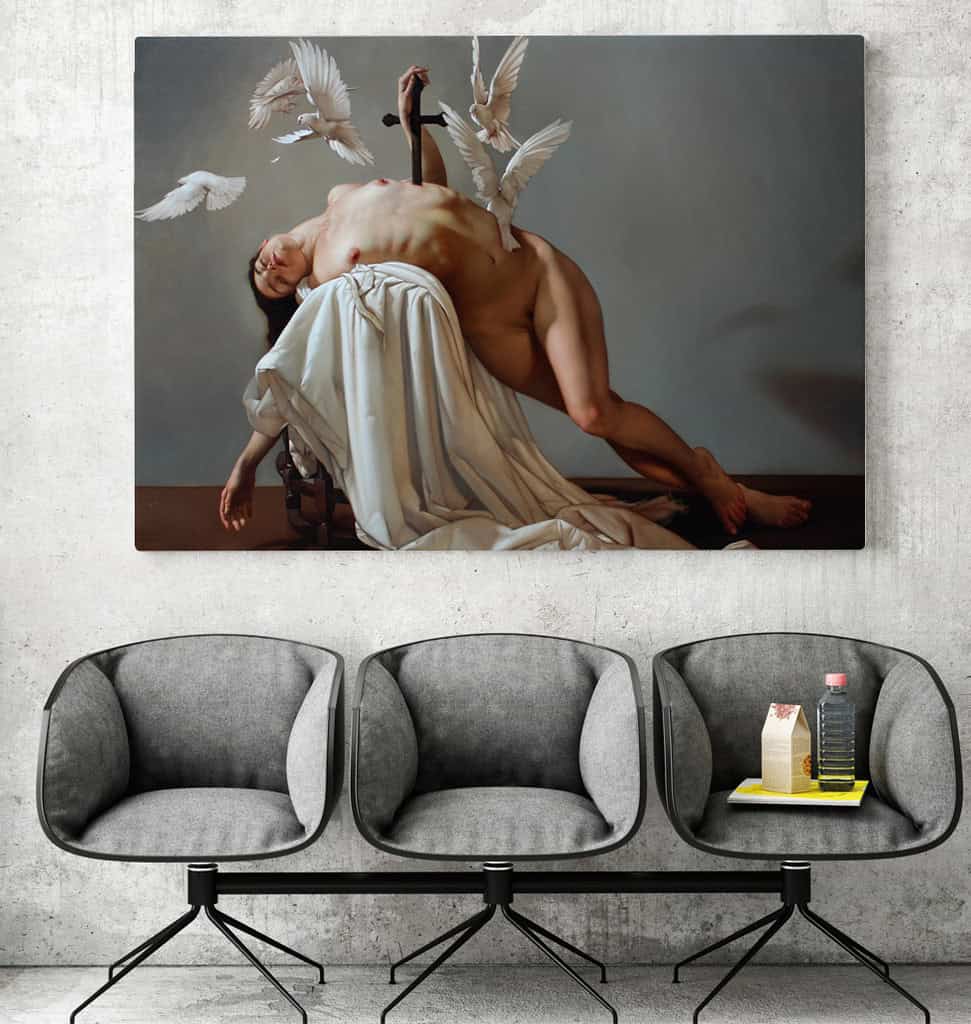
This intentional violence transforms history into a haunting fragment of what it once was. His works subvert the opulence that original masters celebrated centuries ago by revealing the raw material beneath the beauty.
He offers us a memento mori for our current age of uncertainty. It is a powerful reminder that even the most solid foundations of life eventually yield to the passage of time and change.
Agostino Arrivabene’s Mystical Realism
Agostino Arrivabene channels a different spirit of baroque art through his hauntingly beautiful mystical realism. He blends 17th century symbolism with contemporary spiritual seeking to create ethereal, dreamlike canvases that demand deep contemplation.
His anatomically precise figures participate in rituals that seem to transcend our physical reality. Where some artists focus on destruction, Arrivabene seeks to reconstruct our connection to the divine through alchemical imagery.
His use of golden light suggests a visual life for truths that modern rationalism often dismisses. You can feel the weight of his style as it bridges the gap between the material world and the metaphysical realm.
The Global Renaissance of Baroque Art Principles
Today, artists across the world are reclaiming the emotional intensity of the baroque art movement. From Los Angeles to Tokyo, this global renaissance proves that these aesthetics address universal human conditions and anxieties.
Many artists find that the grandiosity of the century past helps them articulate complex present-tense truths. Contemporary artists often seek to build a living dialogue with the original period rather than simply imitating it.
We are honored to bridge this gap for you, ensuring every artist in our collection brings a touch of museum-quality soul into your home. Below is a glance at how these visionaries approach their craft:
| Visionary Artist | Primary Focus | Core Philosophy |
|---|---|---|
| Nicola Samori | Physical Deconstruction | Beauty in Decay |
| Agostino Arrivabene | Mystical Realism | Spiritual Alchemy |
| Roberto Ferri | Surreal Classicism | Emotional Drama |
These creators use past period language to explore our modern obsession with mortality and technology. Their dedication to technical rigor ensures that these contemporary visions remain anchored in the mastery of the past.
Reproducing the Irreproducible: Bringing Complex Baroque Details to Your Space
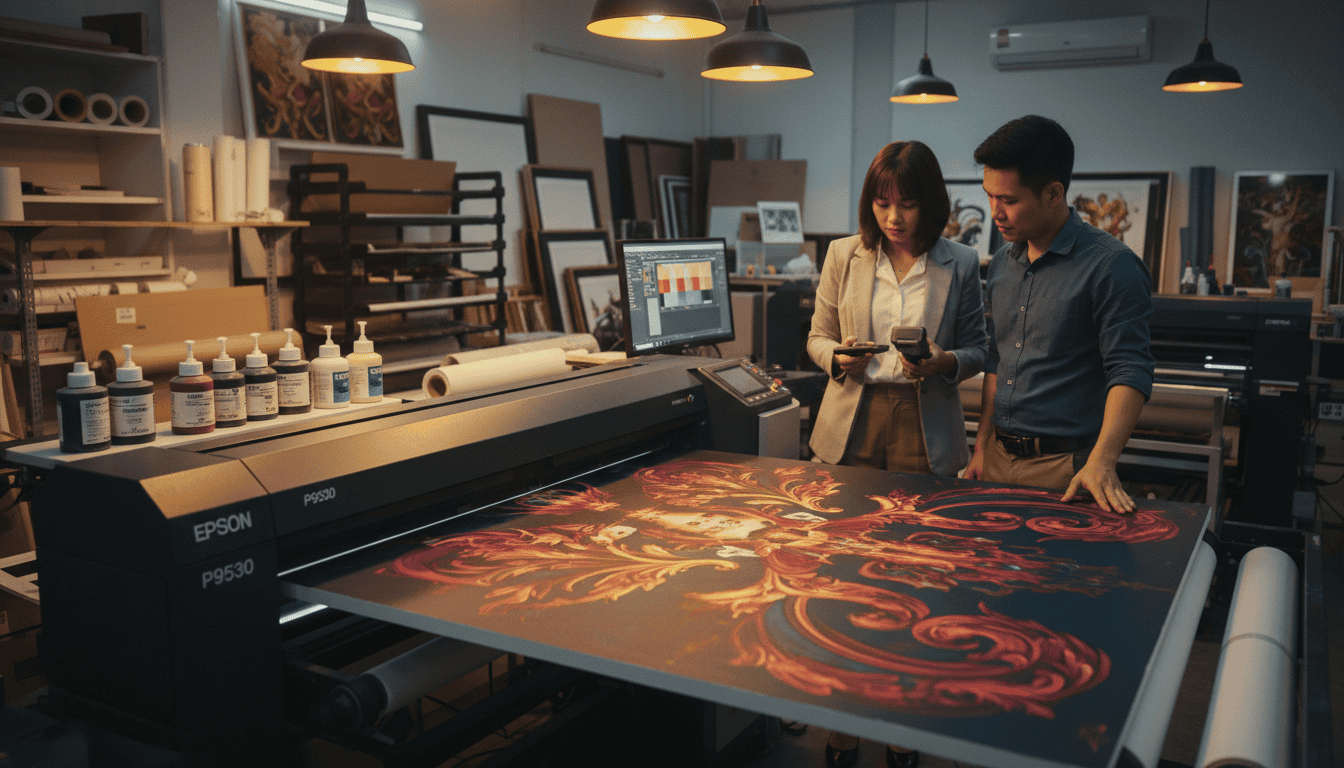
For a decade in our Saigon atelier, we have faced a difficult challenge: how do you recreate art that took months of patient glazing to finish? The power of these masters resides in subtle tonal transitions. These details are often invisible to standard printing technology.
We rejected conventional methods. Our team invested in the Epson P9530, a twelve-color system that does more than print images. It reconstructs the optical complexity that oil painting techniques achieve through layered materials. This ensures the soul of the work remains intact.
How Saigon’s Advanced 12-Color Reproduction Captures Anatomical Precision
Anatomical precision is the heart of a convincing figure. To render musculature correctly, we must capture every skin tone variation. Our twelve-color process maps how light illuminates different surfaces.
This technology prevents shadows from looking flat or muddy. It allows viewers to perceive volume and life rather than a simple 2D painting. We give every muscle and curve the attention it deserves to maintain the artist’s original vision.
From Digital File to Archival Canvas: The Epson P9530 Advantage
Standard four-color printing often flattens chiaroscuro into crude darkness. Our system captures infinite gradations between light and dark. This gives our compositions three-dimensional power and psychological depth.
We use archival canvas that provides an essential texture. It mimics the “tooth” of traditional grounds used in the past. This woven surface allows light to interact with the print just as it would with an original masterpiece.
Finishing Options: UV Varnish, Oil Painting Enhancement, and Professional Framing
We apply a UV varnish that acts as optical engineering. It creates a subtle sheen that brings scenes to life while protecting the surface. For maximum authenticity, we offer hand-applied painting enhancements.
Our artists apply actual pigments to add texture and depth. For example, a dramatic Ferri composition gains power from a deep shadow box frame. Other portraits may demand gilded frames that echo classical architecture and sculpture.
Every piece that leaves our studio honors the time and skill of the original creator, and we respect the Logistics of International Art: Rolled vs. Framed. We believe art this profound deserves a perfect presentation in your home today.
The Enduring Power of Classical Skill in Contemporary baroque art
The resurrection of baroque art shows us that aesthetic truths transcend any single era. While the 17th century prioritized passion over logic, those same elements flourish in our world today. Technical mastery remains essential regardless of the century, and we believe this art connects the past to the present with profound strength.
Digital images saturate our modern landscape, but this movement offers rare, sustained contemplation. Such art demands focus and rewards viewers with ever-deepening meaning. Artists who follow this practice speak directly to a modern hunger for authenticity and craft.
This style refuses to choose between tradition and relevance. Whether through narrative scenes or symbolic portraits, the subject matter engages with life’s biggest questions. Artists often use the human body as a primary subject for their art to reflect our shared experience.
Our Saigon atelier honors this history by capturing the essence of the baroque era. We help you bring these profound works to life, ensuring the composition and anatomical precision remain perfect. Up to the canvas, that is Why Premium Italian Cotton Matters for Dark Art.
From the flow of architecture to the weight of a sculpture, every material detail matters in these compositions. This art transforms any room into a sanctuary of beauty and complexity.
Explore our collection of fine art to find a beautiful example of how this period‘s forms can change your home. Let these artists and painters guide you toward a more expressive lifestyle through their art.
FAQ
How do we define contemporary expression in this classical movement?
Why is the baroque influence still relevant for a modern artist today?
How do these paintings handle complex subject matter?
What role does light play in a baroque composition?
Why should you choose these works for your personal fine art collection?
Which other artists follow this 17th century tradition?
